



In Short / Key Takeaways
- Itchy skin in menopause (also known as menopausal pruritus) is a common symptom triggered by falling oestrogen levels.
- Hormonal changes lead to dry, sensitive, irritated skin and can create sensations like burning, tingling or “crawling skin.”
- Supporting hormone balance and the lymphatic system can help reduce itchy skin symptoms naturally, internal support is more effective than creams alone.
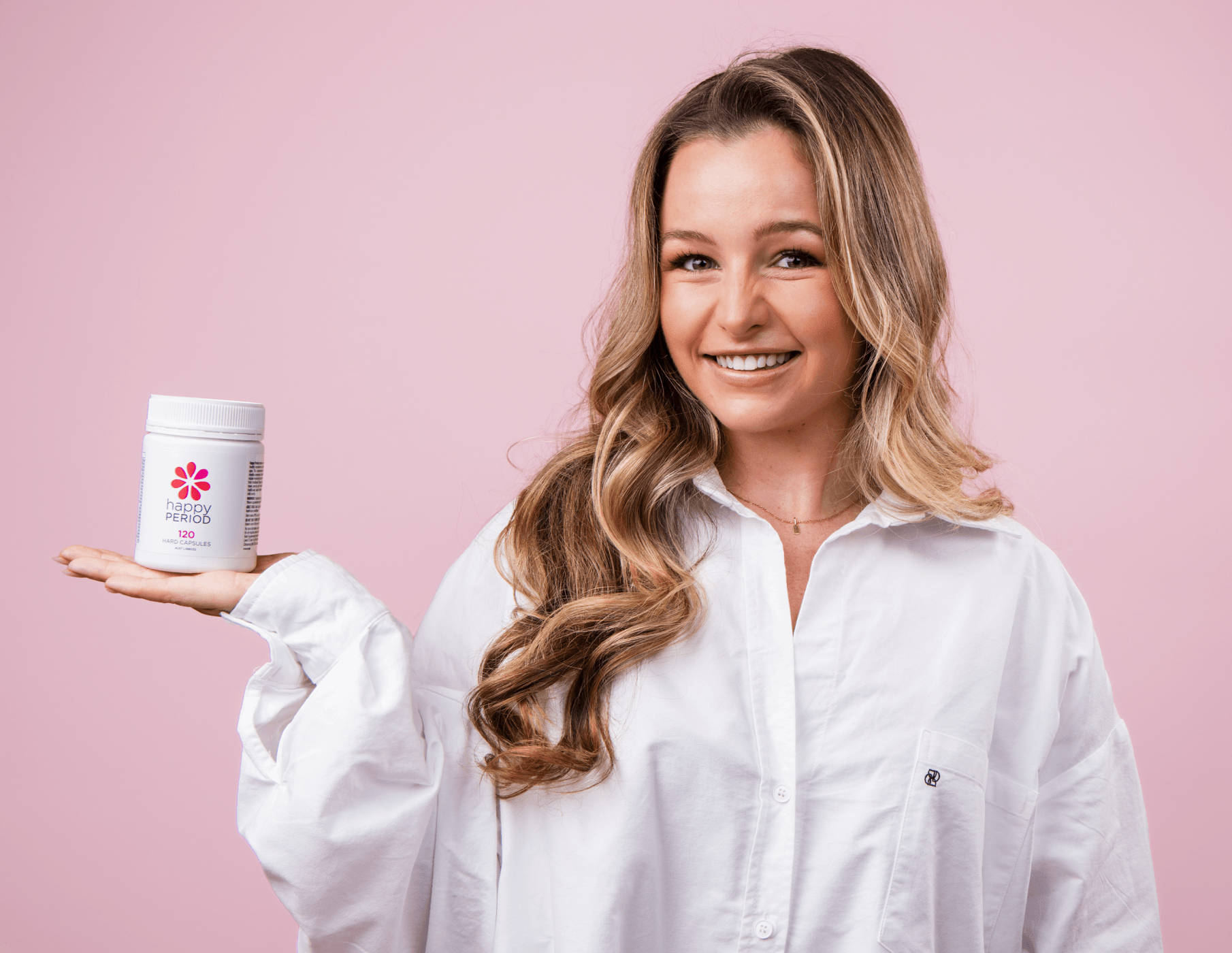
- Happy Hormones may help relieve itchy skin during menopause by supporting hormonal balance, lymphatic function, detox pathways and inflammation.
If you’re experiencing itchy skin during menopause, whether it feels dry, irritated, burning, sensitive or strangely like insects crawling under your skin, you’re not imagining it, and you’re not alone.
Many women don’t expect skin changes to be a menopause symptom, so it can feel confusing or worrying. But itchy, irritated or reactive skin is very common during perimenopause and menopause, even if nobody talks about it.
Why Does Itchy Skin Happen in Menopause?
As oestrogen levels decline, the skin loses:
- Hydration
- Collagen
- Elasticity
- Natural oils
-
Repair speed
This can lead to:
- Dry skin
- Burning or tingling skin
- Increased sensitivity
- Crawling or prickling sensations
-
Itching without a visible rash
This symptom is sometimes referred to as:
- Menopause itchy skin
- Perimenopause itching
- Hormonal itching
-
Menopause pruritus
No matter what it’s called, the root cause is the same: hormonal imbalance.
The Lymphatic System Connection
Another lesser-known contributor to menopausal itchy skin is the lymphatic system.
During menopause, lymph flow can slow down, leading to:
- Puffiness
- Inflammation
- Irritation
- Sensitivity
-
Slower detoxification
When the lymphatic system isn’t moving effectively, the skin often reflects it.
How Happy Hormones May Help Relieve Itchy Skin
While topical treatments may provide temporary relief, long-term improvement generally happens when the underlying hormonal imbalance is addressed.

Happy Hormones may help itchy skin in menopause by:
- Supporting healthy hormone balance
- Helping regulate shifting oestrogen levels
- Supporting the lymphatic system and detox pathways
- Reducing inflammation that contributes to skin irritation
- Supporting nervous system calm, especially helpful for night itching
- Improving other related menopause symptoms: sleep, energy, mood and stress
Many women report noticeable improvements when taking Happy Hormones consistently for 6-12 weeks as their hormonal system stabilises.
“I had itchy skin and started Happy Hormones, it helped so much.” - HHY Community Member
Other Ways to Soothe Itchy Skin Naturally
Alongside hormonal support, these strategies may help reduce symptoms:
- Drink more water to support hydration
- Choose fragrance-free skincare and body products
- Reduce long, hot showers (they strip moisture)
- Support lymphatic flow with gentle movement or massage
-
Add healthy fats to the diet (olive oil, avocado, flaxseed, walnuts)
A Final Reminder: You’re Not Imagining This
Itchy skin during menopause is real, common, and treatable.
Your body isn’t malfunctioning, it’s transitioning.
And with the right support, your skin can feel comfortable, calm and resilient again.
Ready to support your hormones naturally?

Leave a comment
This site is protected by hCaptcha and the hCaptcha Privacy Policy and Terms of Service apply.