



Cortisol is a hormone that helps you wake up, produce energy and respond to pressure. When stress continues without enough recovery, however, you may feel wired, tired, restless, irritable or unable to switch off.
Food cannot make your responsibilities disappear, but it can provide the nutrients your brain, adrenal glands, gut and nervous system use to manage stress.
Our reel covered six key nutrient groups. This guide brings them together and unlocks five additional food categories to add to your plate.
What to Eat for a Calmer Stress Response
| Nutrient category | Why your body needs it | Foods to add |
|---|---|---|
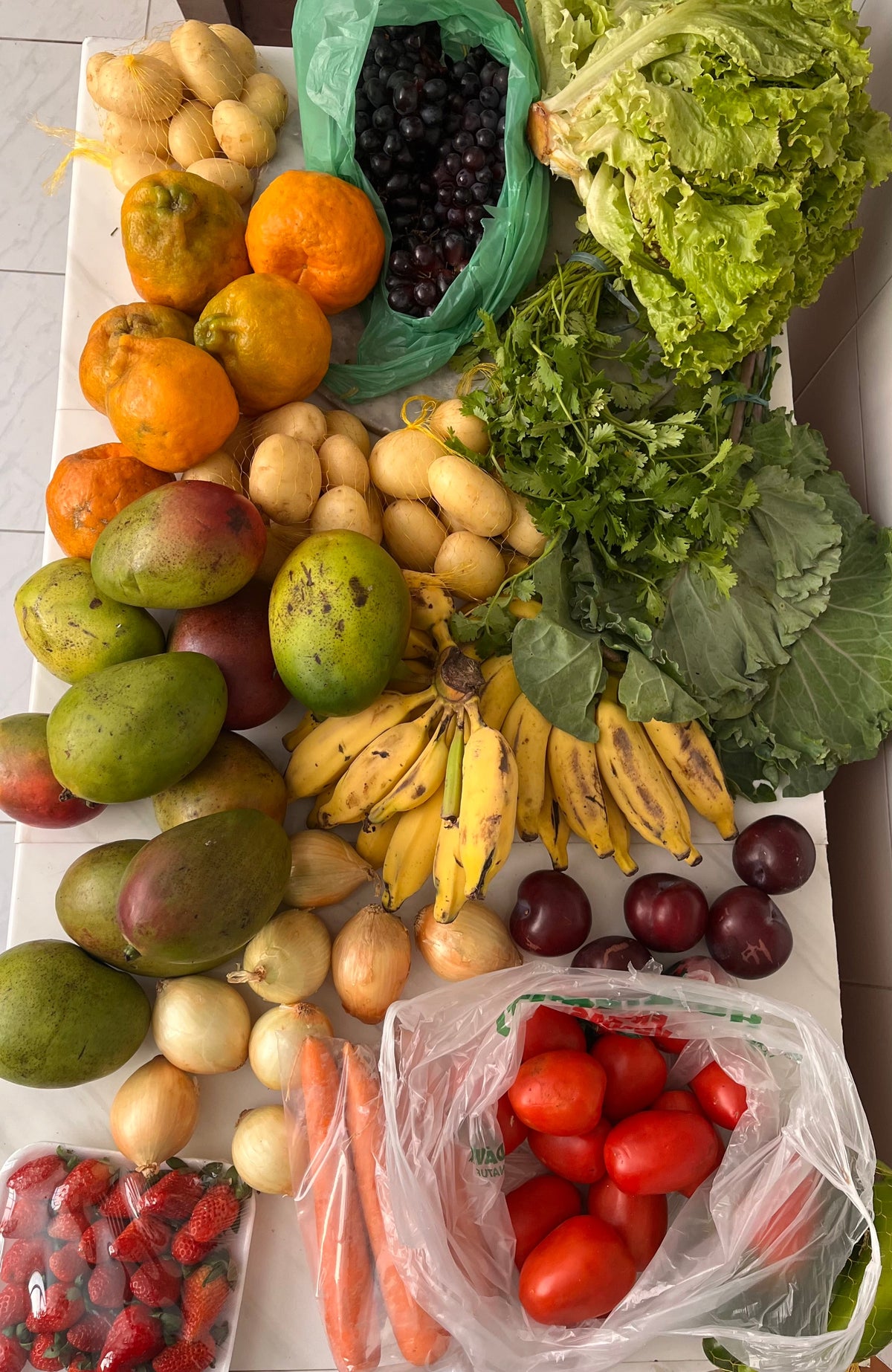
| 1. Vitamin C | Vitamin C is concentrated in the adrenal glands, where stress hormones are produced. It also provides antioxidant support during demanding periods. | Strawberries, oranges, kiwi fruit, guava, papaya, pineapple, capsicum, broccoli, blackcurrants, Brussels sprouts, tomatoes and red cabbage |
| 2. Magnesium | Magnesium supports nerve signalling, muscle relaxation and a healthy stress response. Low intake may leave you feeling more tense or unable to settle. | Leafy greens, avocado, pumpkin seeds, almonds, cashews, black beans, tahini, cacao and dark chocolate |
| 3. L-theanine | L-theanine is an amino acid found naturally in tea. Research suggests it may encourage calming alpha-wave activity and support relaxation without causing drowsiness. | Green tea, matcha, white tea, black tea, oolong, sencha, gyokuro and pu-erh tea |
| 4. Prebiotic fibre | Prebiotic fibres feed beneficial gut bacteria. These microbes produce compounds that communicate with the brain and influence the gut-brain connection. | Onions, garlic, leeks, asparagus, oats, green bananas, apples, barley, chicory root, Jerusalem artichokes and cooked-and-cooled potatoes |
| 5. Omega-3 fats | Omega-3 fats form part of brain-cell membranes and help regulate inflammatory and stress-response pathways. | Sardines, salmon, mackerel, anchovies, trout, herring, chia seeds, flaxseeds, hemp seeds and walnuts |
| 6. B vitamins | B vitamins help turn food into energy and create neurotransmitters involved in mood and nervous-system function. Vitamins B5 and B6 are especially important during stressful periods. | Meat, seafood, eggs, leafy greens, legumes, dairy, mushrooms, sunflower seeds, nutritional yeast and whole grains |
| 7. Tryptophan | Tryptophan is an amino acid used to produce serotonin and melatonin, which are involved in mood, relaxation and sleep. | Turkey, chicken, eggs, salmon, pumpkin seeds, Greek yoghurt, tofu and oats |
| 8. Zinc | Zinc supports brain signalling, immune health and the body’s response to stress. It is also required for the production and activity of several neurotransmitters. | Oysters, beef, lamb, eggs, pumpkin seeds, cashews, chickpeas and seafood |
| 9. Vitamin D | Vitamin D supports mood, immune function and healthy brain signalling. Food provides some vitamin D, although sunlight and supplementation may also be needed. | Salmon, sardines, trout, egg yolks, UV-exposed mushrooms and fortified dairy or plant milks |
| 10. Fermented foods | Fermented foods help introduce beneficial bacteria and compounds that support the gut microbiome. A well-supported gut can communicate more effectively with the nervous system. | Natural yoghurt, kefir, sauerkraut, kimchi, miso, tempeh and low-sugar kombucha |
| 11. Polyphenols | Polyphenols are colourful plant compounds that support antioxidant defences, healthy inflammation and beneficial gut bacteria. | Blueberries, pomegranate, cherries, purple grapes, extra virgin olive oil, fresh herbs, cacao and green tea |
Research has found promising effects for nutrients including vitamin C, omega-3 fats and L-theanine on different markers of stress and cortisol. Prebiotic foods may also support perceived stress through the gut-brain connection, although responses vary between individuals.
How to Build a Calmer Plate
You do not need all 11 nutrient groups at every meal. That would be less “calming lunch” and more “buffet challenge.”
Instead, build your meal around four simple elements:
1. Start with protein
Choose eggs, fish, chicken, beef, tofu, Greek yoghurt or legumes.
2. Add a fibre-rich carbohydrate
Try oats, sweet potato, brown rice, beans or wholegrain bread.
3. Bring in some colour
Add leafy greens, capsicum, berries, broccoli or tomatoes.
4. Finish with healthy fats
Choose avocado, olive oil, seeds, walnuts or oily fish.
For example:
-
Eggs with avocado, spinach and wholegrain toast
-
Greek yoghurt with berries, oats, chia seeds and pumpkin seeds
-
Salmon with sweet potato, broccoli and extra virgin olive oil
-
Chicken with brown rice, colourful vegetables and fermented sauerkraut
Regular, balanced meals can also help prevent the energy crashes that make an already-stressed body feel even more unsettled.
A Note About Tea
Tea can be wonderfully calming, but it still contains caffeine.
If green tea or matcha makes your heart race or leaves you feeling jittery, choose a weaker brew, drink it earlier in the day or try a decaffeinated option. More L-theanine is not helpful if the caffeine has you reorganising the pantry at midnight.
When Nourishing Food Needs Backup
You can eat salmon, spinach and blueberries and still feel overwhelmed. Stress is also influenced by sleep, hormones, workload, emotional pressure and how much recovery your body receives.
Happy Calm is a naturopath-formulated blend created to support stress resilience, nervous-system health and a calmer mood.

It combines ashwagandha and rhodiola to support the body’s ability to adapt to stress, passionflower to encourage relaxation, and magnesium glycinate to support healthy nerve and muscle function.
Happy Calm also contains zinc, vitamins B5 and B6, choline and inositol, giving your nervous system additional nutritional support when life feels particularly full.
Need More Personalised Support?
If stress, poor sleep or feeling constantly overwhelmed has become your new normal, you do not have to figure it out alone.
Chat with one of our qualified Happy Healthy You naturopaths for free. We can learn more about what you are experiencing, answer your questions and help you find the most suitable support for your body.


Leave a comment
This site is protected by hCaptcha and the hCaptcha Privacy Policy and Terms of Service apply.