




In Short
Libido changes during perimenopause, menopause and post menopause are extremely common. As hormones like oestrogen, progesterone and testosterone shift, they can affect energy, mood, stress levels and physical comfort, all of which influence sexual desire.
The good news is that understanding these hormonal changes can help you identify the right support. For many women, focusing on hormonal balance, stress management and overall wellbeing can make a meaningful difference during this stage of life.
Changes in libido are one of the most common concerns women experience during hormonal transitions.
Yet it’s also one of the least openly discussed.
Many women find themselves asking questions like:
Why don’t I feel the same desire I used to?
Is something wrong with me?
Is this just part of getting older?
The truth is that changes in libido during perimenopause, menopause and post menopause are extremely common and are often linked to shifts in hormone levels.
Understanding why these changes happen can help remove the confusion and show you where support may help.
Why Libido Changes During Hormonal Transitions
Hormones play a major role in regulating sexual desire, emotional connection, and physical comfort.
During perimenopause and menopause, levels of oestrogen, progesterone and testosterone begin to fluctuate and decline.
These changes can influence libido in several ways.
1. Oestrogen Decline
Oestrogen helps maintain vaginal tissue health, lubrication and blood flow.
When oestrogen drops, women may experience:
• vaginal dryness
• discomfort during intimacy
• reduced sensitivity
This can make intimacy feel less appealing.
2. Progesterone Changes and Stress
Progesterone helps balance the nervous system and support relaxation.
When progesterone declines, many women experience:
• increased stress sensitivity
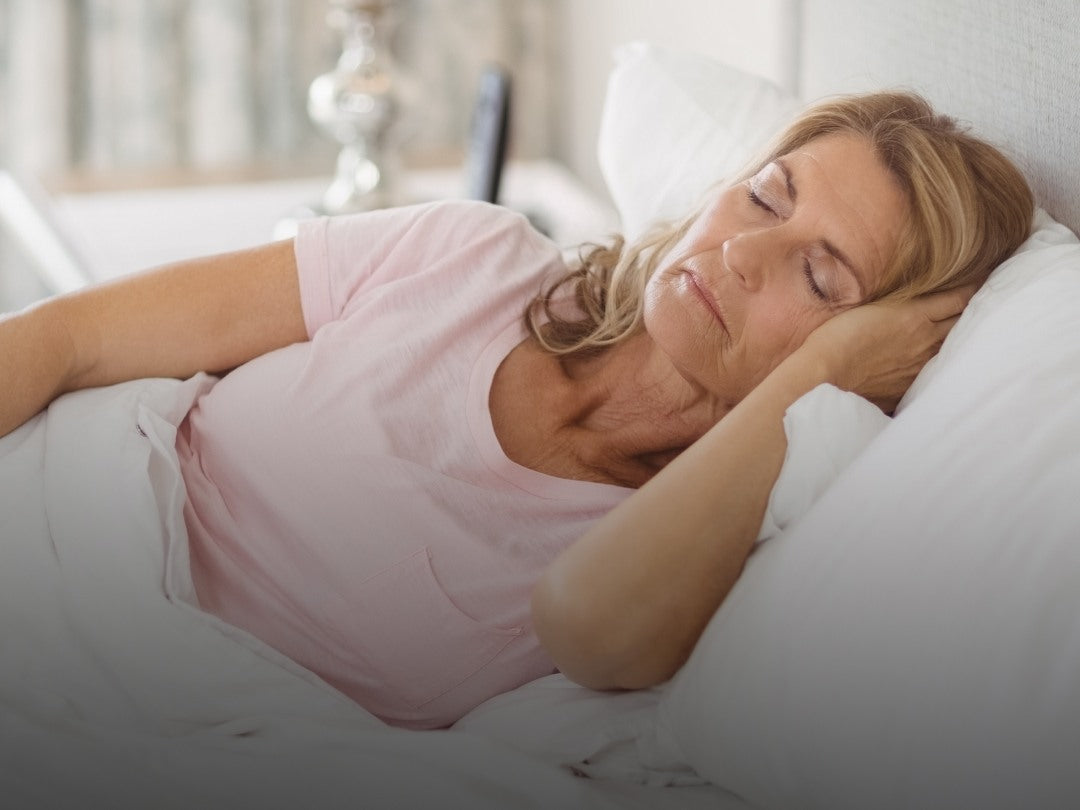
• sleep disruption
• anxiety or mood changes
When the body is in a constant stress response, libido often drops because the brain prioritises survival over reproduction.
3. Testosterone and Desire
Testosterone plays an important role in female libido, energy and motivation.
Although women produce far less testosterone than men, it still contributes significantly to sexual desire. During menopause, testosterone levels also gradually decline.
4. Fatigue and Mental Load
Hormonal shifts often bring other symptoms that indirectly impact libido, including:
• poor sleep
• fatigue
• brain fog
• mood changes
When the body is exhausted or overwhelmed, desire naturally takes a back seat.
Why This Is More Common Than You Think
Many women assume libido changes are unique to them or related to their relationship.
But research shows that a significant percentage of women experience changes in sexual desire during menopause.
Hormonal shifts, stress, sleep disruption and physical symptoms all contribute.
Understanding this can remove a lot of the self-blame many women carry.
Supporting Hormonal Balance
While libido changes can feel frustrating, supporting overall hormonal balance may help address some of the underlying factors.
This includes:
• supporting sleep
• managing stress levels
• nourishing the body
• supporting hormone balance during menopause
Some women also choose to incorporate naturopathic support alongside lifestyle changes.
Where Happy Hormones Fits In

Shop Happy Hormones
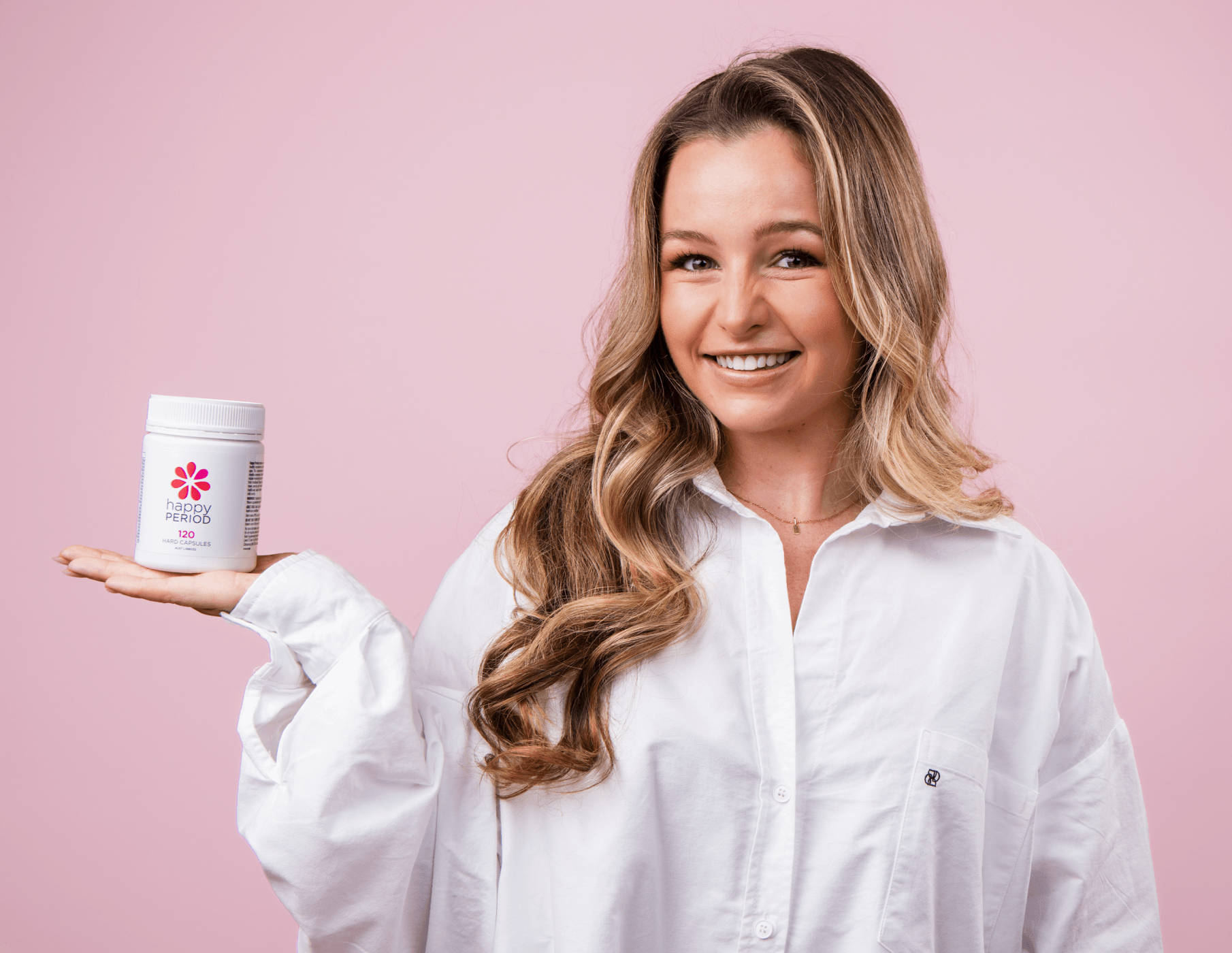
At Happy Healthy You, Happy Hormones was formulated by naturopaths to support women through hormonal transitions including perimenopause and menopause.
The blend includes ingredients traditionally used to help support hormonal balance, mood, and overall wellbeing during these stages. For many women, supporting hormone balance can be an important step toward feeling more like themselves again.


Leave a comment
This site is protected by hCaptcha and the hCaptcha Privacy Policy and Terms of Service apply.