



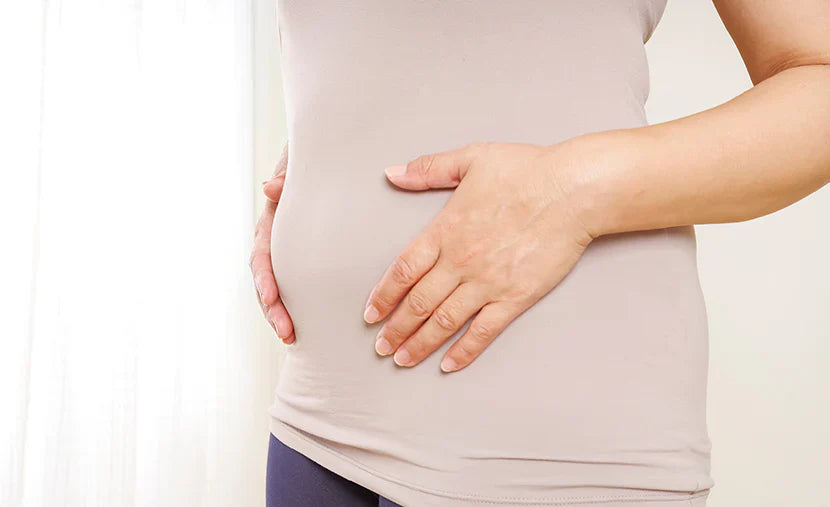
Postmenopause changes the metabolic rules. Here is what actually works now.
In Short
Postmenopause permanently lowers oestrogen, which directly affects fat storage, insulin sensitivity and metabolic rate. Women in this life stage often find that calorie restriction alone produces minimal results because the body is responding to a different hormonal environment. The most effective approach addresses the metabolic shift first, prioritising muscle maintenance, blood sugar stability and hormonal support rather than simply eating less.
Why is weight management different in postmenopause?
For most of their lives, women have operated under a simple framework: eat less, move more, lose weight. It is not a perfect system, but it generally works because the hormonal environment supports it.
Postmenopause changes that environment permanently.
After menopause, oestrogen levels settle at their lowest point and stay there. This matters far beyond reproductive health. Oestrogen plays a direct role in how the body manages fat storage, responds to insulin, and regulates metabolic rate. When it is gone, the body begins to follow a different set of rules entirely.
This is not a willpower issue. It is a metabolic shift. And the women who struggle most in postmenopause are often the ones still following advice designed for a different hormonal chapter.
What does oestrogen have to do with weight?
Oestrogen influences body composition in several important ways. It helps regulate where fat is stored, favouring the hips and thighs over the abdomen. It supports insulin sensitivity, which determines how efficiently the body processes carbohydrates. And it plays a role in the signals that communicate between fat cells and the brain, influencing appetite and energy regulation.
When oestrogen declines permanently after menopause, each of these functions is affected. Fat distribution shifts toward the abdomen regardless of diet or exercise. Insulin sensitivity decreases, making blood sugar harder to stabilise. And the metabolic rate slows in a way that makes the calorie calculations that once worked far less reliable.
What specifically changes about metabolism in postmenopause?
Several things shift at once, which is why the change can feel sudden even though it has been building for some time.
Fat distribution moves centrally. Abdominal fat increases not because of overeating but because the hormonal signals that once directed fat storage elsewhere are no longer present. This type of fat is also metabolically active in ways that compound the problem, driving inflammation and further disrupting insulin function.
Muscle mass becomes harder to maintain. Oestrogen supports muscle protein synthesis. Without it, muscle is lost more quickly and rebuilt more slowly. Because muscle is the body's primary site of glucose metabolism, losing it further reduces metabolic rate and worsens blood sugar regulation.
Carbohydrate sensitivity increases. Many women in postmenopause find that foods they tolerated well before now cause blood sugar spikes, energy crashes and weight gain that was not previously an issue. This is a direct consequence of reduced insulin sensitivity.
Calorie restriction becomes less effective. When the metabolism has slowed and the hormonal environment has changed, eating less often produces fatigue, muscle loss and metabolic adaptation without meaningful fat loss. The body treats restriction as a threat and responds accordingly.
What actually works for weight management in postmenopause?
The most effective approaches work with the postmenopause metabolic environment rather than against it.
Prioritising protein and muscle. Maintaining and building muscle mass is one of the most powerful levers available in postmenopause. It keeps metabolic rate higher, improves glucose metabolism and supports body composition in ways that calorie restriction alone cannot. Adequate protein intake and resistance-based movement are both essential.
Stabilising blood sugar. Reducing refined carbohydrates, eating protein and fat alongside carbohydrates, and avoiding long gaps between meals all help manage the increased insulin sensitivity of postmenopause. This reduces fat storage signals and improves energy consistency across the day.
Supporting hormonal and metabolic health nutritionally. Targeted supplementation that addresses inflammation, insulin sensitivity and metabolic function can make a meaningful difference when dietary changes alone are not moving the needle.
Reducing the inflammatory load. Abdominal fat drives inflammation, and inflammation drives further fat storage. Breaking this cycle requires addressing inflammation directly through nutrition, movement, sleep and stress management.
Frequently asked questions
Why am I gaining weight in postmenopause even though my diet has not changed? Because your hormonal environment has changed. Lower oestrogen alters fat storage, insulin sensitivity and metabolic rate. The same diet that maintained your weight before menopause may now produce weight gain because the body is responding to different signals.
Is abdominal weight gain after menopause inevitable? Not inevitable, but it does require a deliberate response. The hormonal shift toward central fat storage is real, but it can be meaningfully countered with the right approach to nutrition, movement and metabolic support.
Does calorie counting work in postmenopause? For most women in postmenopause, calorie restriction alone is insufficient and can be counterproductive. It often leads to muscle loss and metabolic slowing without significant fat loss. An approach that prioritises metabolic health, muscle maintenance and blood sugar stability tends to produce better results.
What nutrients support weight management in postmenopause? Nutrients that support insulin sensitivity, reduce inflammation and maintain metabolic function are most relevant. These include magnesium, B vitamins, chromium, and specific plant compounds that support glucose metabolism and hormonal balance.
Find out the natural support many women in our community use to support a healthy weight in postmenopause: Happy Weight
For ongoing support from practitioners who specialise in women's hormonal health, join our private Facebook community — seven days a week: Happy Hormones Community



Leave a comment
This site is protected by hCaptcha and the hCaptcha Privacy Policy and Terms of Service apply.