


Osteoporosis is a progressive disease involving excessive bone loss and decreased bone density. Osteoporosis results in less bone – and what bone is left is lighter and more porous, leading to an increased risk of bone fractures, which can be debilitating. Bones are living tissues which grow and continue to renew themselves throughout life regardless of age.
Osteoporosis is a condition where bone resorption outpaces bone deposition. It is mainly due to depletion of calcium from the body when more calcium is lost in urine, faeces and sweat than is absorbed from the diet.
What Causes Osteoporosis?
There are two types of cells important to the development and maintenance of healthy bones: osteoclasts and osteoblasts. Osteoclasts are the cells that cause the breakdown of old bone tissue whereas osteoblasts are the cells that stimulate the formation of new bone tissue. Osteoporosis is bone loss resulting from osteoclast dominance. If more bone is being absorbed by the osteoclast cells than what’s being laid down by the osteoblast cells, osteoporosis takes place.

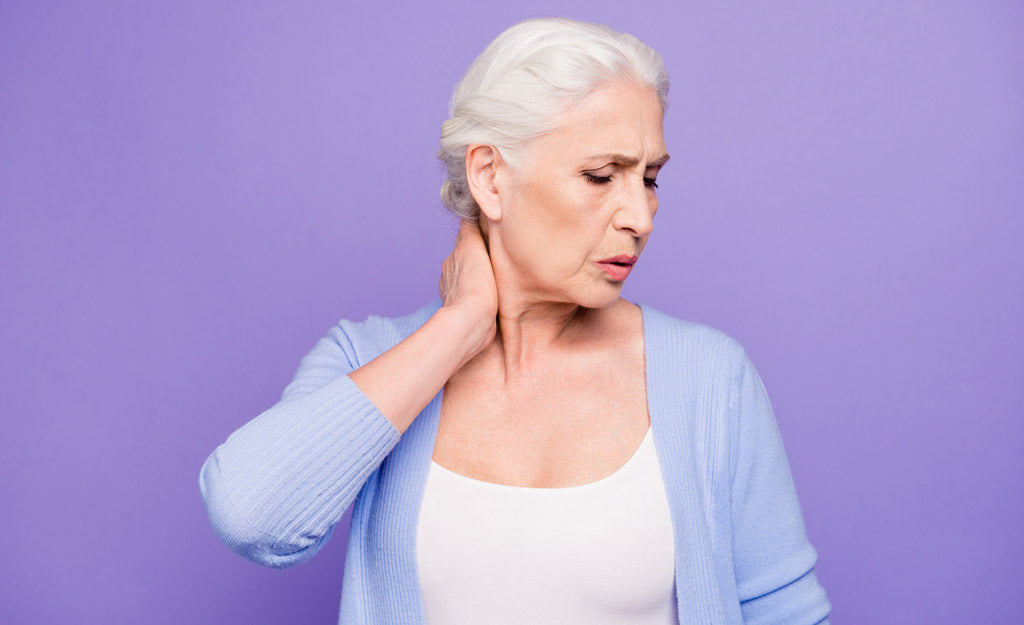
Bone mass becomes so depleted that fractures can develop from the mechanical stresses of everyday living. In addition to fractures, osteoporosis causes shrinkage of the vertebrae resulting in height loss, hunched backs and bone pain. The disorder primarily affects middle-aged and elderly individuals, 80% of whom are women.
Older women suffer from osteoporosis more often than men for two reasons. First, women's bones are less massive than that of men. Secondly, oestrogen production in women declines dramatically at menopause. Oestrogens stimulate osteoblasts activity and synthesis of the extracellular bone matrix, so a reduction in their availability will normally bring about adverse effects. Adequate calcium intake and weight-bearing exercises particularly when a woman is younger are useful and effective approaches for the prevention of osteoporosis.
Factors affecting bone growth and remodelling
- Calcium supplementation has long been known to support bone health.
- Vitamins A, C and D as well as minerals like phosphorus and magnesium provide bone support.
- Weight-bearing exercises particularly during a woman’s younger years strengthen the bones and help prevent osteoporosis
- Human growth hormones before puberty increase bone mineral density and regulate longitudinal bone growth.
- Thyroid hormones and insulin stimulate normal bone growth.
- At puberty, oestrogens (ovaries in females) and androgens (testes in males and adrenal glands in both males and females) stimulate growth spurts.
- Oestrogens also promote changes in the skeletal structure that are typical in females (e.g. widening of the pelvis).
- Bone becomes stronger through increased deposition of mineral salts and production of collagen fibres.
Bone has the ability to alter its strength in response to mechanical stresses. Normal stresses such as weight-bearing and resistance exercises (e.g. walking, jogging, dancing, tennis, lifting weights) cause bone tissue to become stronger. Without these stresses, bone does not remodel normally, because resorption outpaces bone formation. Examples of this are when a person is bedridden or has a fractured bone in a cast. In both cases, the strength of the unstressed bone diminishes. Astronauts experiencing weightlessness also lose bone mass because there is no stress or resistance.
What causes Osteoporosis?
- smoking
- eating disorders
- low body weight
- too little calcium in the diet
- early menopause (before 45 years)
- the absence of menstrual periods (amenorrhea)
- use of certain medications such as steroids and anticonvulsants
- family history
- high caffeine and alcohol consumption (linked to an increased rate of mineral excretion in the urine)
- high protein diets (increase the amount of calcium excreted)
- high sugar and salt diets (linked to a loss of bone minerals)
- sedentary lifestyle
In women who experience premature menopause (cessation of menstrual cycles before the age of 40), the risk for developing osteoporosis is even greater. This may be due to the fact that the protective and restorative bone-building properties of oestrogen are absent for a longer period of time compared to women who normally enter menopause around the age of 50.
In Short: What Is Osteoporosis?
Osteoporosis is a progressive condition where bone density decreases and bones become weaker, lighter, and more porous. This increases the risk of fractures, height loss, and chronic pain. The condition is more common in women, especially after menopause due to the decline in oestrogen, a hormone vital for bone health. Prevention focuses on calcium intake, weight-bearing exercise, and lifestyle support to maintain strong bones across all ages.
Key Takeaways
- Bone balance – Osteoporosis occurs when bone breakdown (osteoclast activity) outpaces bone building (osteoblast activity).
- Risk factors – Age, menopause, smoking, low body weight, poor diet, lack of exercise, certain medications, and family history increase risk.
- Symptoms & complications – Fractures, vertebrae shrinkage, height loss, hunched posture, and bone pain are common outcomes.
- Nutrition – Adequate calcium, magnesium, phosphorus, and vitamins A, C, and D are essential for bone health.
- Exercise – Weight-bearing and resistance training strengthen bones and help prevent osteoporosis.
- Prevention & support – Healthy diet, active lifestyle, and hormone balance during and after menopause support long-term bone density.
Strong bones start with consistent calcium-rich nutrition, regular weight-bearing exercise, and proactive lifestyle choices—especially during and after menopause.

Leave a comment
This site is protected by hCaptcha and the hCaptcha Privacy Policy and Terms of Service apply.