


By the time we reach our 30s, most women are well-acquainted with the premenstrual syndrome (PMS) symptoms that appear in the 1-2 weeks before their period. However, some people who have periods begin to experience the symptoms associated with perimenopause as early as their mid-30s.
In this blog, we will explain both conditions and explain how to identify which condition your symptoms are most likely to be associated with.
What is Premenstrual Syndrome (PMS)?
PMS is the condition experienced by women in the 1-2 weeks before their period. It is thought to be caused by the drop in hormones experienced when the ovary releases an egg (known as the ovulation period). Each person’s experience is unique. PMS symptoms are associated with the feminine monthly cycle, meaning they come and go around the same time each month.
Some symptoms associated with PMS include:
Mood Symptoms
It is not unusual for individuals to experience depression or irritability. You may also feel more upset, emotional or anxious. Experiencing drastic changes in mood throughout the day is common. You may also feel more or less hungry, or experience food cravings.
Pain-Related Symptoms
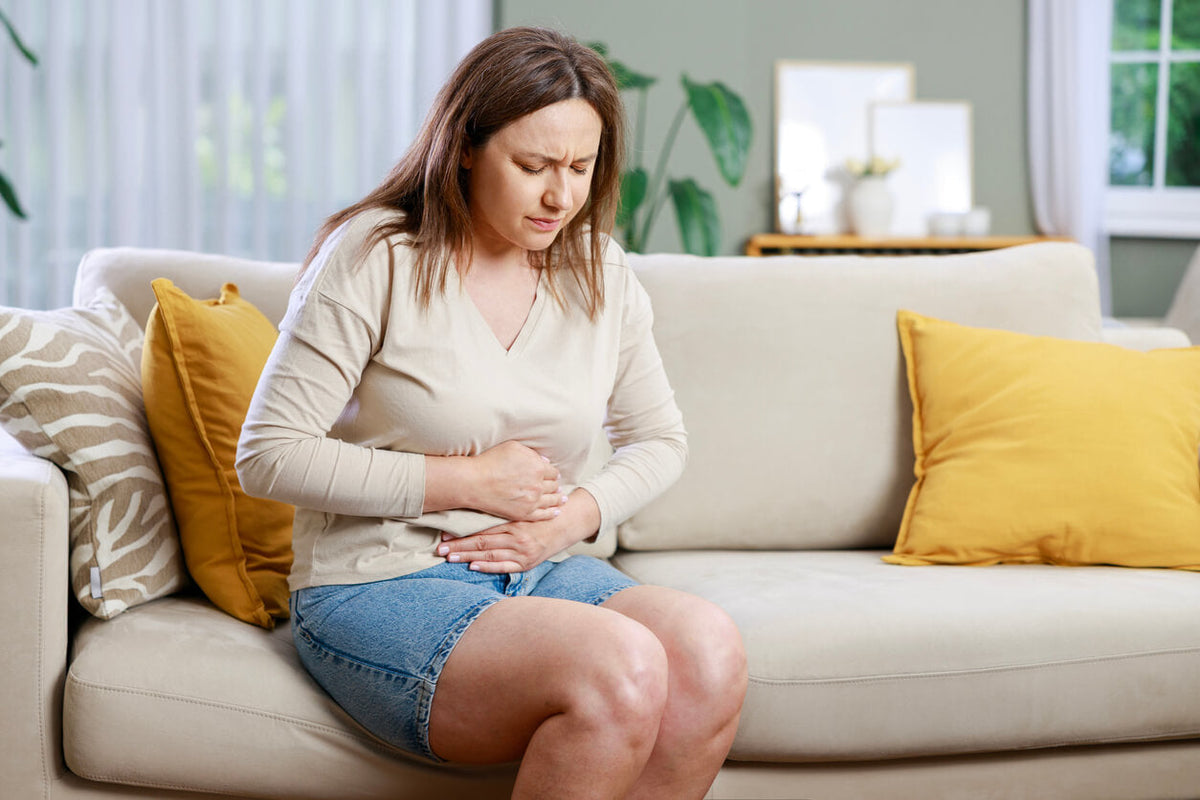
Bloating and abdominal pain are common. Some also experience headaches and breast tenderness.
Physical Symptoms
Some may experience increased levels of fatigue or find it harder to sleep. Additionally, you may find that excess oil production makes your hair greasy or sparks an acne flare-up.
What is Perimenopause?
When people who have periods get older, their fertility declines and their periods cease. This is called menopause and marks the time when we are (typically) no longer able to have children.
Perimenopause is the name given to the natural transition period women experience in the lead-up to menopause. This can last between a few months and ten years. It is common to experience fluctuating hormone levels, with both estrogen and progesterone rising and falling. It is still possible to become pregnant during this time, but it may be more difficult.
Many people with periods experience symptoms during perimenopause. These vary for each person. Symptoms are experienced throughout the month, but they can fluctuate in severity and frequency. Perimenopause ends when a woman has not experienced a period in 12 months, at which point the individual has entered menopause.
Common symptoms of perimenopause are:
- Irregular periods due to shorter or longer cycles.
- Lighter or heavier periods.
- Night sweats.
- Hot flashes.
- Problems with sleeping.
- Increased fatigue.
- Mood changes, including increased irritability or anxiety.
- Vaginal dryness or changes that may cause painful sex.
- Bladder changes.
- Brain fog, focus issues and memory problems.
- Intensified PMS symptoms.
- Joint or muscle pain.
- Headaches and migraines.
- Hair thinning or loss.
- Dry or itchy skin.
- Loss of libido (reduced sex drive).
- Sensitive teeth, painful gums or other mouth problems.
When Symptoms Overlap: Is it PMS or Perimenopause?
There are some overlaps in PMS and perimenopause symptoms. This is because both are related to hormonal changes.
To figure out which condition is the root cause of a symptom, you will need to look at the timing of it. PMS symptoms occur within 1 to 2 weeks of your period and tend to vanish when bleeding begins. On the other hand, perimenopause symptoms occur randomly throughout the month.
It is also beneficial to consider the combination of symptoms you are experiencing to see which condition they best line up with.
Signs you may be Entering Perimenopause
Perimenopause is age-related. Typically, it begins in the mid-to-late 40s, with an average age of 47. However, subtle hormonal shifts can begin as early as the mid-30s. However, overt symptoms are more common between the ages of 45 and 55.
The timing of perimenopause depends on the person. Genetics and smoking can impact the timing of the transition. Additionally, certain surgeries, such as ovary removal, or cancer treatments can induce early changes.
Typically, doctors diagnose this condition based on your age and symptoms.
One good indicator you may be entering perimenopause is changes to your monthly cycle. Cycles may vary by seven or more days, or there may be gaps of 60 days or more between periods. You may also experience lighter or heavier cycles.
Happy Healthy You Provides Supplements for PMS and Perimenopause
We offer a range of specially formulated supplements that are designed to tackle the symptoms of PMS and perimenopause.
Our PMS supplements include:
- Happy Period: Period Supplements.
- Magnesium Supplement for Sleep: MSP | Magnesium, Sleep, Pain.
- Anxiety & Sleep Supplements: Happy Calm.
Our perimenopause supplements include:
- Anxiety & Sleep Supplements: Happy Calm.
- Hormone Balance Supplement: Happy Hormones® Capsules.
- Hormone Balance Supplement Powder: Happy Hormones® Powder.
- Magnesium Supplement for Sleep: MSP | Magnesium, Sleep, Pain.
We sell bundles to help save you money. Browse our range today.
Want to Understand Your Hormones? Take our Free Assessment
We provide a free practitioner-designed assessment to help you understand your hormones. This can help you identify whether you are experiencing PMS, perimenopause or menopause.
The process produces an extensive health report with nutrition and lifestyle guidance. It will also offer advice on the best way to ease symptoms. It takes 9-12 minutes, and no purchase is necessary.



Leave a comment
This site is protected by hCaptcha and the hCaptcha Privacy Policy and Terms of Service apply.