



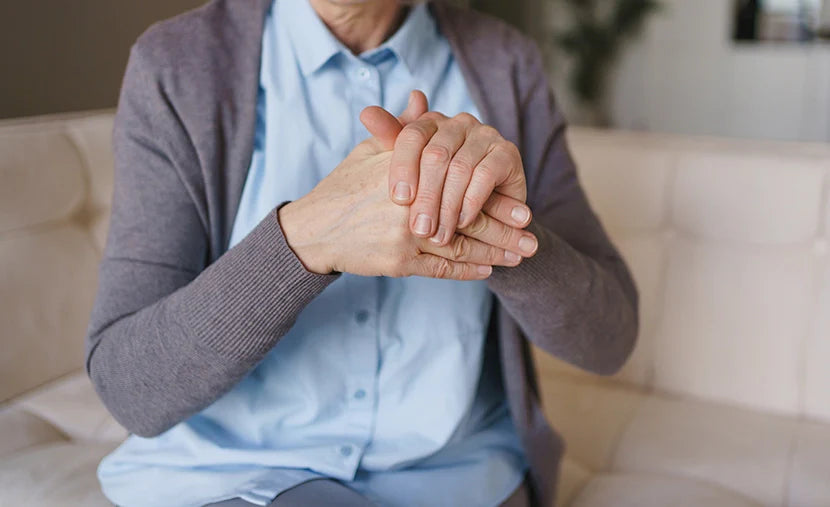
What postmenopause does to your bones and how to protect them effectively.
In Short
Bone density loss in postmenopause is almost entirely silent. There is no pain, no obvious signal and no moment where you notice something is wrong. Oestrogen plays a direct role in regulating the cells that build and break down bone, and when it is gone, the rate of loss accelerates significantly. Research suggests women can lose between 20 and 30 percent of their bone density in the decade following menopause. Calcium alone is not enough. Vitamin D, vitamin K2, magnesium and silica are all essential cofactors that are frequently missing from basic bone health approaches. The right combination of nutritional support and weight bearing movement can slow the process meaningfully and in many cases halt it.
Why does postmenopause accelerate bone loss?
Bone density loss in postmenopause is almost entirely silent. There is no pain, no obvious signal, no moment where you notice something is wrong. Which is exactly what makes it one of the most important things to address proactively in this life stage.
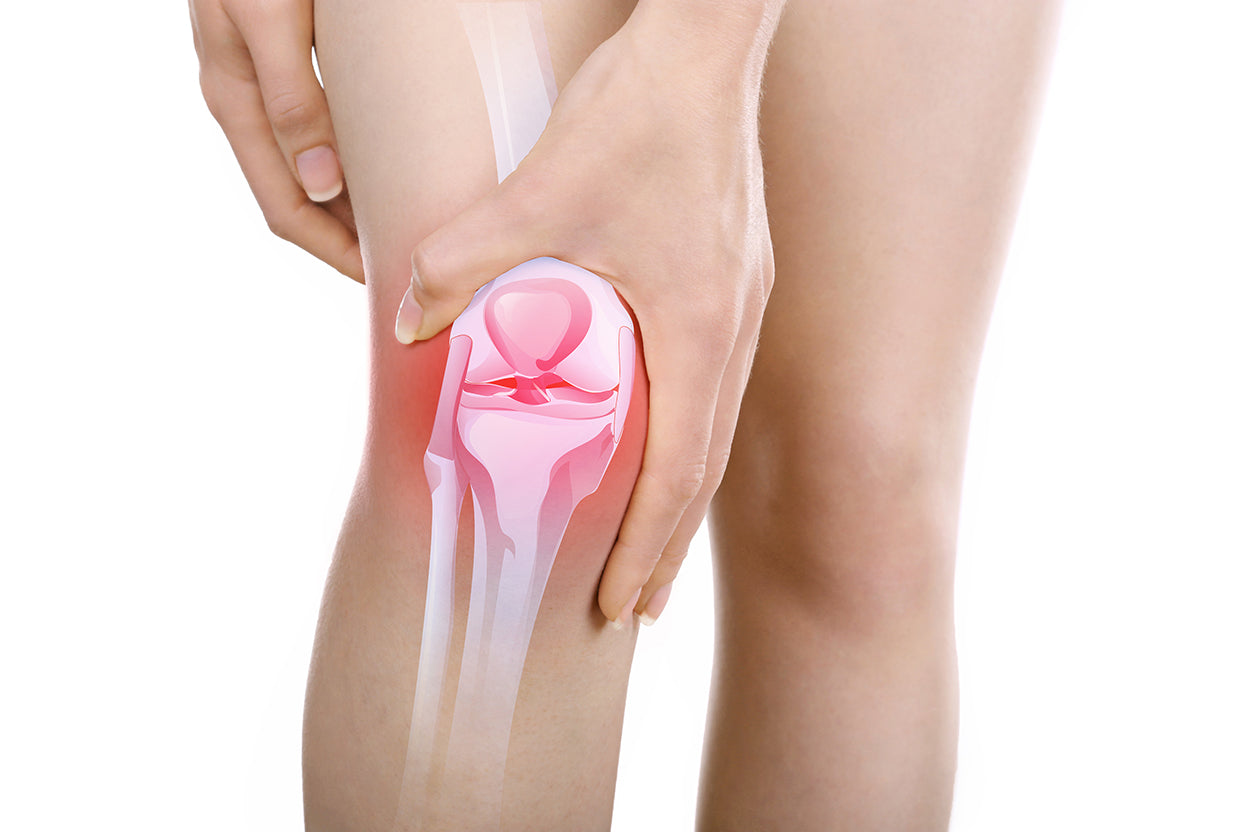
To understand why postmenopause accelerates bone loss, it helps to understand how bone works. Bone is living tissue in a constant state of remodelling. Specialised cells called osteoblasts build new bone, while cells called osteoclasts break old bone down. In a healthy, hormonally supported system, this process stays in balance. Old bone is removed and replaced at roughly the same rate.
Oestrogen is one of the most important regulators of this balance. It supports osteoblast activity and suppresses the activity of osteoclasts, keeping the rate of breakdown in check. When oestrogen is present, the balance holds. When oestrogen is withdrawn permanently at menopause, the brake on bone breakdown is released.
Osteoclast activity increases. Bone is broken down faster than it is replaced. And because this process is invisible, it continues undetected until the consequences become apparent, often years or even decades later.
How significant is postmenopause bone loss?
More significant than most women realise. Research suggests that women can lose between 20 and 30 percent of their bone density in the decade following menopause, with the steepest rate of loss in the first three to five years.
To put that in context, bone density loss of this magnitude meaningfully changes how the skeleton responds to everyday demands. A fall that would have caused a bruise a decade ago becomes something more serious. Height decreases gradually as vertebrae compress. The skeleton becomes less forgiving of the impacts and loads it was once able to absorb without consequence.
By the time most women find out their bone density has changed, the loss has already been happening for years. Osteopenia and osteoporosis are diagnosed through a bone density scan, and many women do not receive one until well into their postmenopause years, long after the most rapid phase of loss has occurred.
This is why proactive support starting at perimenopause or as early as possible in postmenopause makes such a significant difference to long term outcomes.
Is postmenopause bone loss inevitable?
No. This is one of the most important things women need to hear about bone health in postmenopause.
Bone loss after menopause is common and it is driven by a real physiological shift. But it is not fixed and it is not irreversible. The right combination of nutritional support, weight bearing movement and targeted supplementation can slow the process meaningfully and in many cases halt the trajectory before significant loss occurs.
The skeleton remains responsive to the signals it receives throughout life. It responds to mechanical load, which is why weight bearing exercise has such a direct effect on bone density. It responds to the nutritional environment, which is why getting the right combination of bone supporting nutrients consistently matters far more than any single supplement. And it responds to the hormonal environment, which is why addressing the broader picture of hormonal health in postmenopause has benefits that extend to the bones.
Why is calcium alone not enough?
Calcium is essential for bone. But calcium alone is not sufficient for bone protection in postmenopause, and this is where many women stall.
Calcium cannot be deposited effectively into bone without the right cofactors. Without vitamin D, calcium absorption from the gut is significantly impaired. Without vitamin K2, calcium that is absorbed may be deposited in soft tissues and arterial walls rather than directed to bone. Without magnesium, the enzymes that activate vitamin D cannot function properly. And without adequate protein and silica, the collagen matrix that gives bone its structural flexibility and resistance to fracture cannot be maintained.
This means that a woman taking calcium alone may be getting far less benefit than she expects, while simultaneously being at risk for the cardiovascular complications that can arise from unregulated calcium deposition. The full picture of bone health in postmenopause requires a complete approach, not a single nutrient.
What specifically supports bone health in postmenopause?
Calcium
Adequate calcium intake remains important as the foundational mineral of bone tissue. The key is ensuring it is accompanied by the cofactors that direct it appropriately. Food sources including dairy, leafy greens and fortified foods are preferable where possible, with supplementation filling the gap where dietary intake is insufficient.
Vitamin D
Vitamin D is essential for calcium absorption and for the direct regulation of bone metabolism. Deficiency is extremely common in women over fifty and is independently associated with increased fracture risk. Adequate vitamin D levels are one of the most important and most frequently unaddressed aspects of postmenopause bone health.
Vitamin K2
Vitamin K2 activates the proteins that direct calcium into bone and away from soft tissues. It works in concert with vitamin D and is essential for ensuring that calcium supplementation benefits the skeleton rather than contributing to arterial calcification. MK7 is the most bioavailable form and the most relevant for bone health.
Magnesium
Magnesium is required for the activation of vitamin D and plays a direct role in bone mineral density. It is one of the most commonly depleted minerals in postmenopause women and one whose absence undermines the effectiveness of every other bone health intervention.
Silica
Silica is required for the synthesis of collagen, the protein matrix within which bone minerals are deposited. Bone strength depends on both mineral density and structural integrity. Without adequate collagen, bone becomes brittle rather than resilient, which is the fracture risk that matters most in practice.
Weight bearing movement
Bone responds to mechanical load by building density in the areas under stress. Weight bearing exercise, resistance training and impact activities send direct signals to osteoblasts to increase bone building activity. This makes consistent weight bearing movement one of the most powerful tools available for postmenopause bone protection, with benefits that no supplement can fully replicate.
Protein
Adequate dietary protein is essential for maintaining both the collagen matrix of bone and the muscle mass that protects bones from fracture in the event of a fall. Many women in postmenopause are not eating enough protein to support optimal bone and muscle health, and increasing intake is one of the most straightforward improvements available.
Frequently asked questions
When should I start thinking about bone health in relation to menopause? The most rapid phase of bone loss begins in perimenopause and continues through the first several years of postmenopause. Starting proactive nutritional support during perimenopause or as early as possible in postmenopause gives the best protection against the steepest phase of loss.
Should I get a bone density scan? A bone density scan (DEXA scan) is the most accurate way to assess where your bone density currently sits and to track changes over time. It is worth discussing with your healthcare practitioner, particularly if you are several years into postmenopause or have additional risk factors.
Does exercise really make a difference to bone density? Yes, significantly. Weight bearing and resistance exercise directly stimulate bone building activity. Walking, strength training, dancing and any activity that loads the skeleton all contribute to bone density maintenance. The effect is site specific, meaning the bones that are loaded most benefit most.
Is it too late to protect my bones if I am already in postmenopause? No. Bone responds to nutritional and mechanical signals throughout life. While the most rapid phase of loss occurs in the early postmenopause years, proactive support at any point reduces the rate of further loss and supports the structural health that determines fracture risk.
Find out the bone health support many women in our community use during postmenopause: Happy Collagen
For ongoing support from practitioners who specialise in women's hormonal health, join our private Facebook community, seven days a week: Happy Hormones Community


Leave a comment
This site is protected by hCaptcha and the hCaptcha Privacy Policy and Terms of Service apply.