


How postmenopause raises your inflammatory load and what you can do about it.
In Short
Oestrogen has a powerful anti inflammatory effect throughout the body. When it settles at its permanent postmenopause level, that protective effect diminishes and systemic inflammation rises. This shows up as morning stiffness, joint pain, slower recovery, digestive sensitivity and persistent low level discomfort. Inflammation is highly responsive to targeted nutritional support and the right approach can make a significant difference to daily comfort, mobility and long term health.
Why does inflammation increase after menopause?
There is a particular kind of stiffness that greets you in the morning in postmenopause. It takes a few minutes of moving before your body feels like yours again. Joints that were never a problem. A heaviness that was not there a few years ago.
This is not simply ageing. This is oestrogen withdrawal.
Oestrogen has a powerful anti inflammatory effect throughout the body. It acts as a natural regulator of the inflammatory processes that, left unchecked, drive joint pain, cardiovascular risk, brain health decline and metabolic dysfunction. Oestrogen does this through several mechanisms: it modulates the immune cells that produce inflammatory signals, it supports antioxidant defence systems, and it influences the behaviour of cytokines, the proteins that coordinate the body's inflammatory response.
When oestrogen settles at its postmenopause level permanently, that regulatory effect diminishes. The result is a gradual but meaningful rise in systemic inflammation that many women feel throughout their body but rarely connect back to their hormones.
What does chronic low grade inflammation feel like in postmenopause?
Because the inflammation that rises in postmenopause is systemic and low grade rather than acute, it does not announce itself the way an injury or illness does. It accumulates gradually and shows up across the body in ways that are easy to attribute to other causes.
Morning stiffness that takes time to ease is one of the most consistent experiences. The body feels locked overnight and needs movement to loosen up. For some women this is mild. For others it significantly affects how they start the day.
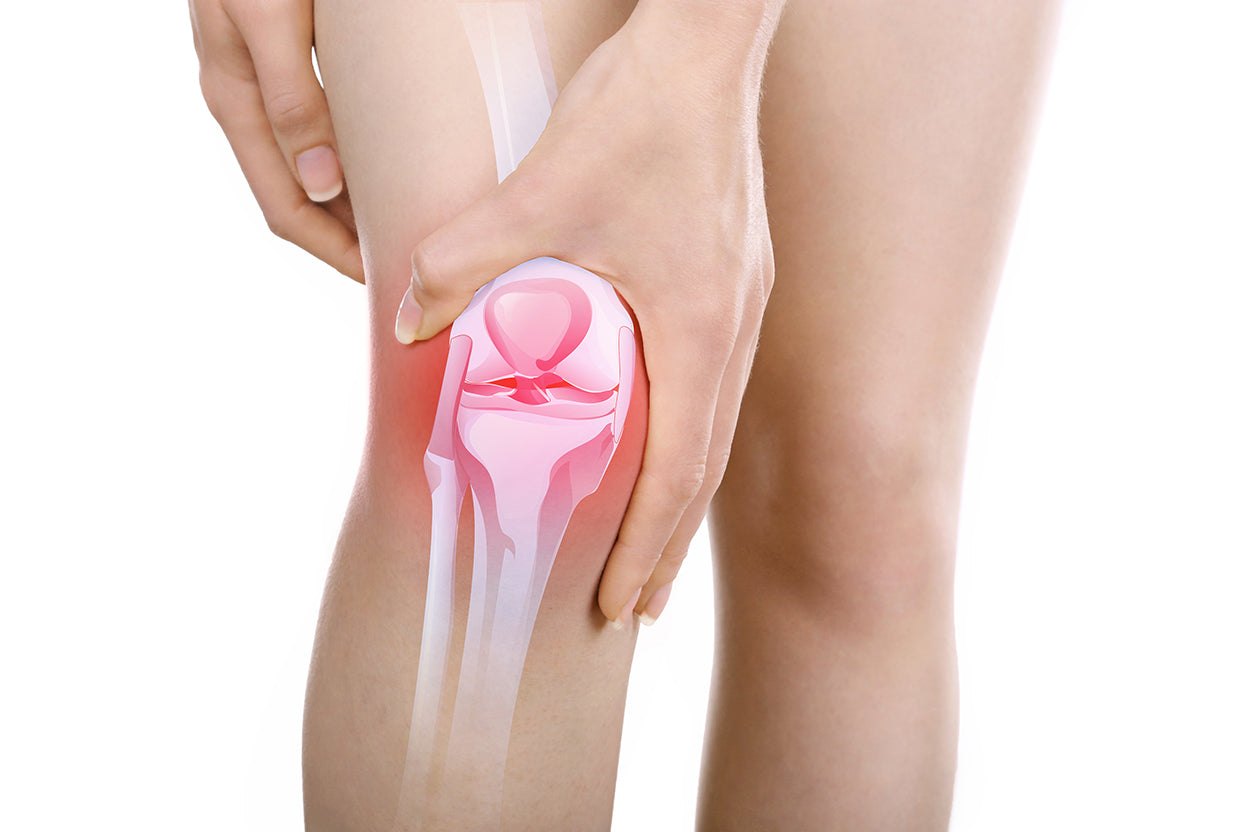
Joint pain that moves around or comes and goes is another common pattern. Unlike the fixed pain of an injury, inflammatory joint pain often shifts location and varies in intensity without an obvious cause.
Slower recovery after exercise or physical effort reflects the elevated inflammatory load the body is managing. Muscle soreness that lingers longer than expected, fatigue that follows exertion more heavily than it used to, and a general sense that the body takes more time to bounce back are all consistent with this picture.
Persistent low level body discomfort, an underlying achiness or heaviness that does not have a specific location, is frequently described by women in postmenopause. It is often dismissed as part of getting older, but it has a hormonal driver that responds to targeted support.
Increased sensitivity to foods that never caused problems before can also reflect a rising inflammatory baseline. When systemic inflammation is elevated, the threshold for inflammatory food reactions lowers. Women who never had issues with gluten, dairy or certain vegetables may find they become reactive in postmenopause.
What drives inflammation higher in postmenopause?
The loss of oestrogen is the primary driver, but several secondary factors compound it.
Visceral fat accumulation is one of the most significant. As oestrogen declines, fat storage shifts toward the abdomen. Visceral fat is not metabolically inert. It actively produces inflammatory cytokines that raise the systemic inflammatory load further and create a reinforcing cycle.
Gut barrier changes also contribute. Oestrogen supports the integrity of the intestinal lining. As levels decline, gut permeability can increase, allowing inflammatory compounds from the gut into circulation. This connection between gut health and systemic inflammation in postmenopause is increasingly well supported in the research.
Cortisol dysregulation adds another layer. Chronic stress and disrupted sleep, both common in the menopause transition, sustain elevated cortisol. Over time, the tissues that cortisol is meant to protect become resistant to its anti inflammatory signals, and inflammation rises further.
Poor sleep itself is independently inflammatory. The cytokine dysregulation that follows disrupted sleep compounds the hormonal drivers of postmenopause inflammation in a way that makes sleep quality one of the most important levers available.
How do you reduce inflammation in postmenopause?
The encouraging reality is that inflammation is highly responsive to targeted nutritional support. The right approach can make a meaningful difference to daily comfort, mobility and long term health.
Omega 3 fatty acids
Omega 3 fatty acids, particularly EPA and DHA from fish oil, are among the most well researched anti inflammatory nutrients available. They work by shifting the balance of eicosanoids the body produces toward less inflammatory forms and directly reducing cytokine activity. Consistent daily supplementation at an adequate dose is more effective than occasional higher doses.
Curcumin
Curcumin, the active compound in turmeric, has a substantial body of research behind its use for inflammation and joint health. It works through multiple anti inflammatory pathways simultaneously, which makes it particularly well suited to the broad systemic inflammation of postmenopause. Bioavailability matters significantly with curcumin: formulations that include piperine or use enhanced delivery systems are considerably more effective than standard turmeric powder.
Magnesium
Magnesium plays a regulatory role in inflammatory signalling and is one of the most commonly depleted minerals in postmenopause women. Consistent replenishment supports not only inflammation but also sleep quality, muscle function and cortisol regulation, making it one of the highest value foundational supplements in this life stage.
Antioxidant support
Oxidative stress and inflammation drive each other in a reinforcing cycle. Antioxidant nutrients including vitamin C, vitamin E, selenium and the polyphenols found in deeply coloured vegetables and berries help interrupt this cycle and protect tissues from inflammatory damage.
Gut support
Addressing gut permeability and microbiome balance directly reduces the inflammatory load entering circulation from the gut. Prebiotic fibre, fermented foods, collagen for gut lining support, and reducing processed food intake all contribute to a less inflammatory gut environment.
Reducing the dietary inflammatory load
Refined sugar, refined seed oils and ultra processed foods are among the most significant dietary drivers of systemic inflammation. Reducing these while increasing protein, omega 3 rich foods, vegetables and antioxidant rich plant foods shifts the body's inflammatory balance meaningfully over time.
Frequently asked questions
Is inflammation after menopause inevitable? A rise in systemic inflammation is a common consequence of oestrogen loss, but it is not fixed or irreversible. The right nutritional, lifestyle and supplementation approach can reduce it significantly and protect long term health.
Can inflammation cause weight gain in postmenopause? Yes, in a reinforcing cycle. Visceral fat drives inflammation, and inflammation drives further fat storage and insulin resistance. Breaking this cycle requires addressing inflammation directly rather than focusing on calories alone.
How quickly does anti inflammatory support work? Some women notice improvements in joint comfort and morning stiffness within a few weeks of consistent support. Deeper changes to systemic inflammatory markers typically take two to three months of sustained effort to show clearly.
Why are my joints more painful in postmenopause when I am actually exercising more? Elevated systemic inflammation reduces the body's ability to recover from exercise efficiently. This does not mean exercise is harmful. It means recovery support, anti inflammatory nutrition and adequate protein become more important alongside the movement, not less.
Find out the natural support many women in our community use to manage inflammation in postmenopause: Happy Turmeric
For ongoing support from practitioners who specialise in women's hormonal health, join our private Facebook community, seven days a week: Happy Hormones Community


Leave a comment
This site is protected by hCaptcha and the hCaptcha Privacy Policy and Terms of Service apply.