


How your detox pathways affect menopause symptoms and what you can do to support them.
In Short
Most conversations about menopause focus on hormone production. But the liver, gut and lymphatic system also need to process and eliminate the hormonal byproducts that accumulate during this transition. When these clearance pathways are under pressure, menopause symptoms do not just persist — they intensify. Supporting detox pathways, particularly the liver, is one of the most direct and most overlooked ways to reduce the severity of symptoms many women are already experiencing.
What is the missing piece in most menopause conversations?
What if your symptoms are not just about the hormones your body is producing, but about the ones it is struggling to clear?
This is one of the least discussed aspects of menopause. And for many women it is the piece that explains why they are doing everything right and still not seeing the improvement they expected.
During menopause, the body is managing significant hormonal change. Oestrogen, progesterone and their metabolites are constantly being produced, used and broken down. But that breakdown process does not happen automatically. It depends on the liver, the gut and the lymphatic system working efficiently to process and eliminate hormonal byproducts before they recirculate and amplify symptoms.
When these clearance pathways are under pressure, the hormonal picture becomes considerably more complicated. Used hormones that should be eliminated are instead reabsorbed. Inflammatory metabolites accumulate. And symptoms that might otherwise be manageable become more intense and less predictable.
What role does the liver play in menopause?
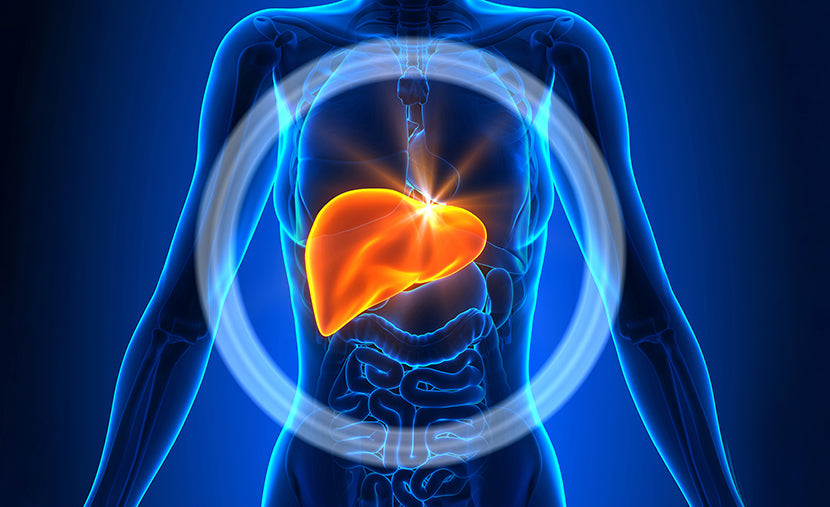
The liver is the body's primary site of hormone metabolism. It is responsible for taking used oestrogen and packaging it for elimination via the bile and ultimately the bowel. This process happens in two phases, both of which require specific nutrients to run efficiently.
In the first phase, the liver breaks oestrogen down into intermediate metabolites. In the second phase, those intermediates are bound to carrier molecules that make them water soluble and ready for elimination. If either phase is impaired, the process stalls. Intermediate metabolites that are more inflammatory than the original hormone can accumulate, and oestrogen that should have been eliminated gets reabsorbed instead.
The liver also processes everything else the body is exposed to. Alcohol, processed foods, environmental toxins, medications and chronic stress all place demands on the same detoxification pathways that hormone clearance depends on. When the liver is managing a high overall burden, hormonal clearance moves down the queue.
During menopause, this matters more than at any other life stage. The volume of hormonal change the liver is being asked to process is at its highest precisely when many women are also managing the most lifestyle and environmental load.
What role does the gut play in hormone clearance?
Once the liver has packaged used hormones for elimination, they travel through the bile into the digestive tract and should be excreted. But the gut has its own role to play, and when it is not functioning well, this final step breaks down.
A specific collection of gut bacteria known as the estrobolome produces an enzyme called beta glucuronidase. When the estrobolome is healthy and in balance, beta glucuronidase activity is appropriately regulated. But when the gut microbiome is disrupted, beta glucuronidase activity increases, cleaving the bonds that hold packaged oestrogen together and releasing it back into circulation.
This means that a woman with poor gut microbiome diversity may be clearing oestrogen less efficiently even if her liver function is adequate. The gut is the final gate in hormonal elimination, and supporting it is an essential part of the detox pathway picture.
Gut transit time also matters. The longer processed hormones sit in the bowel waiting for elimination, the greater the opportunity for reabsorption. Adequate fibre, hydration and gut motility are directly relevant to hormonal clearance.
What does poor hormone clearance feel like during menopause?
Because oestrogen dominance relative to progesterone is already a feature of early perimenopause, anything that further impairs oestrogen clearance amplifies this imbalance. The signs that detox pathways may need support include hot flushes that feel more intense or unpredictable than expected, waking between one and three in the morning, bloating and sluggish digestion, mood swings that feel disproportionate and difficult to explain, difficulty losing weight despite consistent effort, and a general sense that symptoms are more severe than they should be relative to where hormones appear to be on testing.
The one to three in the morning waking window is particularly worth noting. In traditional Chinese medicine, this corresponds to the liver time on the body clock, the window when the liver is most actively processing. Many women find this timing significant when they begin supporting liver function.
How do you support detox pathways during menopause?
Liver support nutrients
Several nutrients directly support the liver's two phase detoxification process. B vitamins, particularly B6, B12 and folate, are essential cofactors in phase two conjugation. Sulphur containing compounds found in cruciferous vegetables, onions and garlic support the same pathways. DIM (diindolylmethane), a compound derived from cruciferous vegetables, specifically supports healthy oestrogen metabolism and is one of the most researched nutrients for hormonal clearance.
Milk thistle is the most well established herbal support for liver function, with strong research behind its use for liver cell protection and regeneration. It does not accelerate detoxification in a way that creates burden. It supports the liver's capacity to handle the load it is already managing.
Reducing the liver burden
Supporting liver function is not only about adding nutrients. Reducing the competing demands on liver capacity is equally important. Alcohol is one of the most significant. Even moderate alcohol intake places a direct burden on the same pathways that process hormones. Reducing or removing it during the menopause transition consistently produces improvements in symptom severity that women often find surprising.
Processed foods, seed oils and environmental toxin exposure all add to the liver's workload. Reducing these while increasing whole foods, clean protein and liver supporting vegetables creates the conditions for more efficient hormonal clearance.
Gut microbiome support
Supporting the estrobolome through prebiotic fibre, fermented foods and probiotic supplementation directly improves oestrogen clearance from the gut. Reducing beta glucuronidase activity through a diverse, fibre rich diet is one of the most evidence backed ways to support hormonal balance during menopause without any hormonal intervention at all.
Adequate hydration and fibre for healthy gut transit reduce the window for oestrogen reabsorption in the bowel.
Cruciferous vegetables
Broccoli, Brussels sprouts, cauliflower, kale and cabbage contain the precursors to DIM and indole 3 carbinol, compounds that specifically support healthy oestrogen metabolism in the liver. Regular consumption of these vegetables is one of the most straightforward dietary interventions for hormonal clearance.
Frequently asked questions
What is oestrogen dominance and how does poor liver function contribute to it? Oestrogen dominance refers to a state where oestrogen is high relative to progesterone, either because oestrogen is genuinely elevated or because progesterone has declined. Poor liver clearance of used oestrogen contributes to oestrogen dominance by returning oestrogen to circulation that should have been eliminated, amplifying its effects even when production is declining.
Does supporting liver function actually reduce hot flushes? For women whose hot flushes are amplified by poor hormonal clearance, yes. Improving liver function reduces the oestrogen metabolite burden that drives some of the instability behind hot flushes. It is not a universal solution but it is a meaningful part of the picture for many women.
Why do I wake between one and three in the morning? In traditional Chinese medicine, one to three in the morning corresponds to the liver time on the body clock. Many women find that waking consistently in this window improves when they address liver support and reduce liver burden. From a Western perspective, this waking pattern can also reflect cortisol dysregulation and blood sugar instability, both of which have connections to liver function.
Is a detox program the right approach for menopause? Extreme restriction or short term detox programs are generally not appropriate during menopause and can place additional stress on a system that is already under pressure. The most effective approach is consistent daily support for liver and gut function through nutrition, targeted supplementation and reduced burden, rather than periodic intensive intervention.
Find out the liver support many women in our community use during menopause: Happy Liver
For ongoing support from practitioners who specialise in women's hormonal health, join our private Facebook community, seven days a week: Happy Hormones Community


Leave a comment
This site is protected by hCaptcha and the hCaptcha Privacy Policy and Terms of Service apply.