




Strength training is one of the most powerful things a woman can do for her long-term health.
Lifting weights supports stronger bones, steadier blood sugar, healthy body composition, improved mood and greater independence as you age. You do not need to become a bodybuilder or live at the gym. A few consistent sessions each week can create meaningful changes throughout the body.
Lifting Weights Is Not Just About Looking Toned
For years, women were told to eat less, do more cardio and avoid heavy weights unless they wanted to become “bulky.”
Thankfully, we are leaving that advice where it belongs.
Muscle is active, protective tissue. It helps you move, stores glucose, supports your joints and keeps you capable as you age.
This becomes even more important through perimenopause and menopause, when declining oestrogen can contribute to changes in muscle mass, bone density, body composition and insulin sensitivity.
Here is why picking up something heavier than your handbag deserves a place in your health routine.
1. Builds Stronger Bones
Bones respond to challenge.
When muscles pull against bone during resistance training, the body receives a signal to strengthen that area. Exercises such as squats, deadlifts, rows and presses provide the mechanical loading bones need to maintain their strength.
This is particularly important around menopause, when bone loss can accelerate as oestrogen declines. Resistance exercise is recognised as a valuable strategy for supporting age-related bone and muscle loss.
Walking is wonderful, but your bones also enjoy a reason to work harder.
2. Protects Muscle as You Age
Muscle mass naturally declines with age, and the process can accelerate during and after menopause.
Strength training tells your body that its muscle is still required. In response, muscle fibres adapt and become stronger.
Maintaining muscle supports balance, mobility and independence. It helps you carry groceries, climb stairs, get off the floor and manage your own suitcase.
Strong is not just an aesthetic. It is freedom.
3. Improves Insulin Sensitivity
Your muscles are one of the largest places your body can store glucose.
During strength training, working muscles use glucose for energy. Afterwards, muscle cells become more responsive to insulin, helping move glucose out of the bloodstream and into the cells where it can be used or stored.
This supports steadier blood sugar, more stable energy and long-term metabolic health.
Building muscle essentially gives glucose somewhere useful to go instead of leaving it circling the bloodstream looking for parking.
4. Supports a Healthy Metabolism
Muscle is metabolically active tissue, meaning it requires energy to maintain.
Strength training helps preserve or increase lean muscle while supporting healthy fat loss. Your body also continues using energy after a workout as it repairs and rebuilds the muscles you trained.
One squat will not set your metabolism on fire, but consistently building muscle helps your body use energy more effectively.
5. Supports You Through Hormonal Changes
Lifting weights does not directly control every hormone, but it supports many of the systems affected during perimenopause and menopause.
Regular strength training can support:
- Insulin sensitivity
- Muscle maintenance
- Bone density
- Healthy body composition
- Stress regulation
- Sleep quality
- Energy and confidence
Your hormones may be changing, but that does not mean you need to quietly surrender your strength along with every hair tie you have ever owned.
6. Supports Mood and Stress
Strength training gives your brain something useful to focus on. For forty minutes, the only drama is whether you have one more repetition left.
Exercise supports neurotransmitters involved in mood and provides a physical outlet for stress. It also creates measurable progress.
Lifting a weight that once felt impossible can change the way you see yourself far beyond the gym. You are not only building muscle. You are collecting evidence that you are capable.
7. Supports Your Joints and Posture
Strong muscles help stabilise and protect your joints.
Training the glutes, back, core, shoulders and legs improves the way your body handles everyday movement. This can reduce unnecessary strain caused by weakness, poor movement patterns or spending the day folded over a laptop.
The goal is not perfect posture every second. It is having enough strength to move well and recover when life puts you in an awkward position.
8. Helps You Stay Independent
Standing from a chair, carrying shopping, climbing stairs and catching yourself if you lose balance all rely on strength.
Resistance training also supports coordination and confidence in movement. These benefits become increasingly valuable with age, but the best time to build them is long before you urgently need them.
Think of every strength session as a deposit into your future independence account.
How Often Should Women Lift Weights?
A helpful starting point is two or three full-body sessions each week.
Include movements that train your major muscle groups, such as:
- Squats or sit-to-stands
- Hip hinges or deadlifts
- Rows
- Chest presses
- Step-ups
- Loaded carries
Begin with a weight you can control. The final few repetitions should feel challenging, but your form should remain strong.
As you improve, gradually increase the weight, repetitions or difficulty. Your body needs a reason to adapt. Repeating the same comfortable workout forever is more of a social visit than a training stimulus.
Feed the Muscle You Are Building
Lifting weights creates the stimulus for muscle growth, but protein provides the amino acids needed to repair and rebuild that muscle.
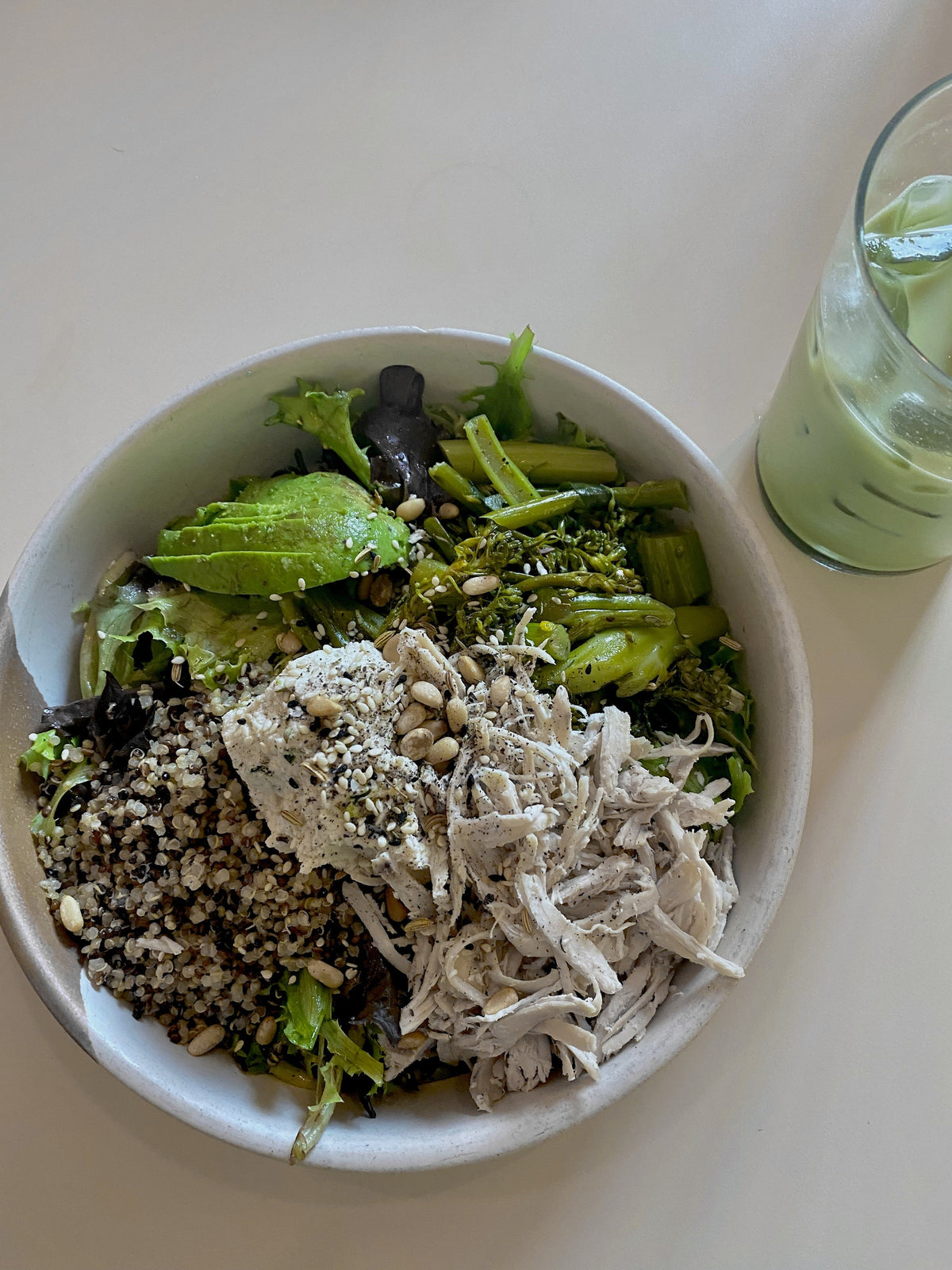
Aim to include protein at every meal from foods such as eggs, fish, chicken, lean meat, Greek yoghurt, cottage cheese, tofu, tempeh, beans or legumes.
When breakfast is rushed or another plate of chicken sounds deeply uninspiring, Happy Weight makes increasing your protein intake much easier.
Available in whey and vegan options, Happy Weight combines protein with prebiotic fibre and probiotics to support lean muscle, fullness and digestion.
Blend it with berries and your preferred milk for breakfast, or enjoy it after training when your muscles need something more useful than the emergency snack hiding in your handbag.

Recovery Is Where the Adaptation Happens
The workout creates the challenge. Recovery is when your body responds.
Sleep, hydration, protein and rest days help your muscles rebuild between sessions. Magnesium also supports energy production, normal muscle function and nervous-system health.
MSP combines four highly bioavailable forms of magnesium alongside lemon balm, turmeric and boswellia.
Magnesium supports muscle function and relaxation, while glycine and lemon balm support calm and restful sleep. Turmeric and boswellia provide antioxidant and anti-inflammatory support.
Add MSP to your evening or post-training routine to support sleep, relaxation and muscle recovery. Because your muscles cannot perform their best when they are underfed, under-rested and still complaining about Tuesday’s leg session.



Leave a comment
This site is protected by hCaptcha and the hCaptcha Privacy Policy and Terms of Service apply.