


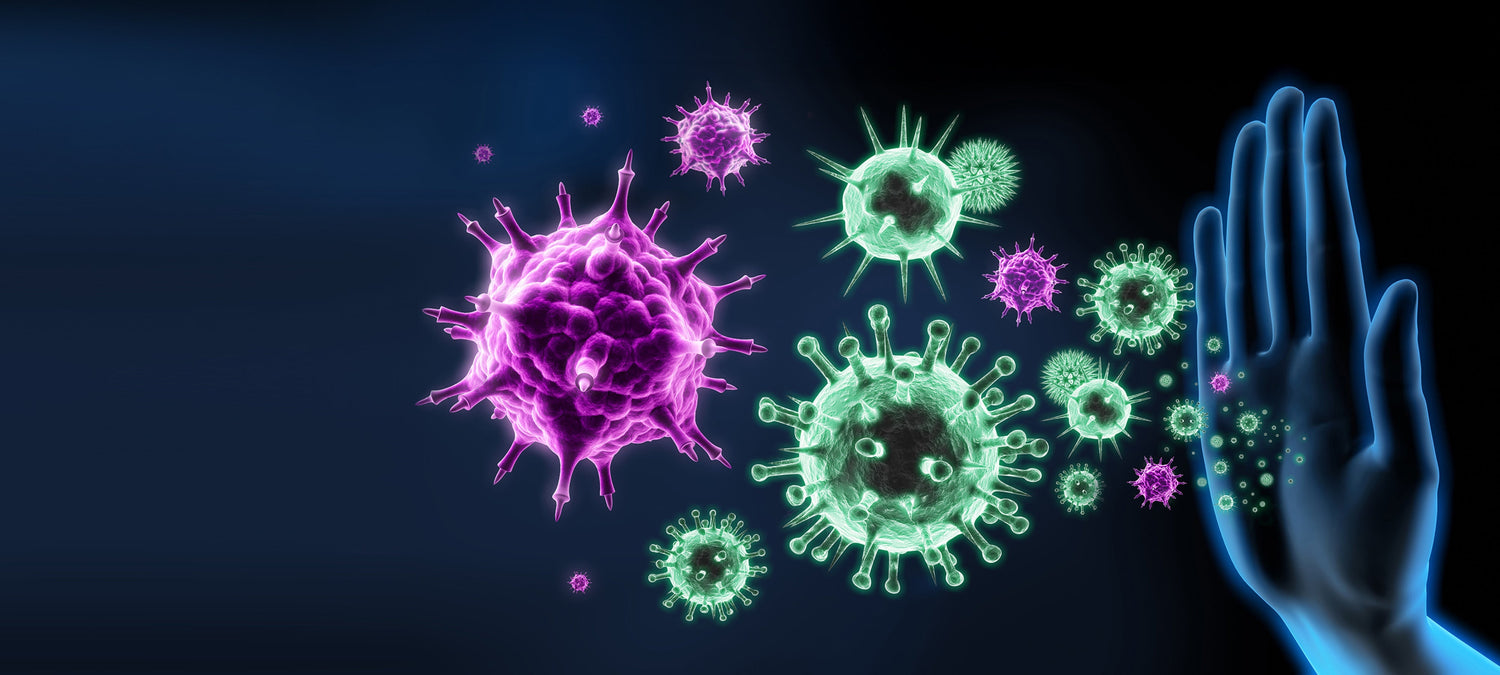
How perimenopause affects your immune system and what supports it.
In Short
Oestrogen receptors are present throughout the immune system and oestrogen actively regulates how the body mounts and controls immune responses. As levels begin to fluctuate in perimenopause, immune function becomes less consistent. This shows up as reduced resilience, more frequent illness, slower recovery, new sensitivities and intolerances, and in some women, the emergence or flaring of autoimmune conditions. Supporting immunity during perimenopause means understanding that the immune system is navigating hormonal change and giving it the right tools to do that well.
Why does perimenopause affect the immune system?
You are getting sick more than you used to. Or taking longer to recover. Or noticing that your body is reacting to things it used to handle without any fuss.
Most women put this down to being busy, being run down, or just getting older. Very few connect it to perimenopause. But the link is direct and well established in the research.
Oestrogen receptors are present on virtually every type of immune cell in the body. This means oestrogen is not just a reproductive hormone. It is an active regulator of immune function, influencing how the body identifies threats, mounts responses and controls inflammation. When oestrogen levels begin to fluctuate in perimenopause, immune regulation fluctuates with it.
The immune system becomes less predictable. In some women it becomes underactive, producing less robust defences against infection. In others it becomes dysregulated in ways that drive inflammation, sensitivity and autoimmune activity. Often both patterns appear at different times.
What does immune disruption look like in perimenopause?
Because immune changes in perimenopause are driven by hormonal fluctuation rather than a single consistent shift, the experience varies between women and can vary week to week in the same woman.
The most commonly reported pattern is a simple drop in resilience. Colds that come more frequently than before, take longer to resolve, or feel harder on the body than they used to. A sense of being less robust even between illnesses, as though the reserve that used to be there has thinned.
Slower recovery is closely related. The immune response that used to clear an infection efficiently now seems to lag. Women describe feeling like they are fighting something for weeks rather than days, or never quite getting back to full capacity before the next thing arrives.
New food intolerances or skin sensitivities appearing without an obvious cause are another common experience. Oestrogen supports the regulatory mechanisms that keep immune responses proportionate. When those mechanisms become less reliable, the threshold for immune reactivity lowers and the body begins to respond to things it previously tolerated.
The emergence or flaring of autoimmune conditions during perimenopause is a pattern that is increasingly recognised in the research. Conditions including thyroid autoimmunity, rheumatoid arthritis and lupus show a notable tendency to appear or worsen during the hormonal transition of perimenopause. This is not coincidental. Oestrogen plays a direct role in regulating the immune tolerance that prevents the body from attacking its own tissues. When that regulation becomes unstable, autoimmune activity can increase.
What drives immune disruption higher during perimenopause?
The fluctuating oestrogen of perimenopause is the primary driver, but several factors compound its effect on immune function.
Sleep disruption is one of the most significant. The immune system performs essential maintenance and regulation during sleep, particularly in the deeper stages. When perimenopause disrupts sleep quality, immune function suffers directly. The cytokine balance that regulates both defence and inflammation depends on consistent restorative sleep in ways that become highly relevant when the hormonal environment is already destabilised.
Chronic stress and cortisol dysregulation further compromise immune regulation. Cortisol has a complex relationship with immune function: in short bursts it is immune supportive, but chronically elevated cortisol suppresses immune responses and increases susceptibility to infection. The HPA axis disruption that perimenopause creates often produces exactly this pattern.
Gut health is deeply intertwined with immune function, with a large proportion of the immune system residing in and around the gut lining. As oestrogen fluctuates, gut motility, microbiome diversity and barrier integrity can all be affected, creating an immune environment that is more reactive and less well regulated.
Nutritional depletion compounds all of these. The increased physiological demand of hormonal transition, combined with the sleep disruption and stress load that perimenopause often brings, depletes the micronutrients that immune function depends on most.
What supports immune function during perimenopause?
Supporting immunity during perimenopause is not simply about boosting defences. It is about understanding that the immune system is navigating significant hormonal change and giving it the nutritional and lifestyle foundation it needs to do that well.
Vitamin D
Vitamin D is one of the most important regulators of immune function and one of the most commonly deficient nutrients in women over forty. It modulates both the innate and adaptive arms of the immune system, supports the regulatory mechanisms that prevent overreaction, and has direct relevance to autoimmune risk. Adequate vitamin D levels are foundational to immune health during perimenopause and beyond.
Zinc
Zinc is essential for the development and function of immune cells across multiple pathways. Deficiency impairs both the speed and accuracy of immune responses and is associated with increased susceptibility to infection and slower recovery. Zinc also plays a role in immune regulation, helping to prevent the kind of dysregulated responses that drive inflammation and sensitivity.
Vitamin C
Vitamin C supports multiple aspects of immune function including the activity of natural killer cells, the production of antibodies, and the resolution of inflammation following infection. It is rapidly depleted during illness and under chronic stress, making consistent replenishment particularly important during perimenopause.
Medicinal mushrooms
Compounds found in medicinal mushrooms including reishi, shiitake and turkey tail have well documented immune modulating properties. Rather than simply stimulating immune activity, these compounds help the immune system respond more appropriately, which makes them particularly relevant during perimenopause when immune dysregulation rather than simple suppression is often the issue.
Probiotics and gut support
Given the central role of the gut in immune regulation, supporting microbiome diversity and gut barrier integrity is one of the most direct ways to improve immune function during perimenopause. Probiotic supplementation, prebiotic fibre, fermented foods and reducing gut inflammatory triggers all contribute to a more stable immune environment.
Adaptogens
Adaptogenic herbs including ashwagandha and astragalus support the adrenal and immune systems in navigating hormonal and stress related disruption. They work by improving the body's regulatory capacity rather than driving a single direction of immune activity, which makes them well suited to the fluctuating immune picture of perimenopause.
Sleep quality
Because immune regulation is so closely tied to sleep architecture, addressing the hormonal drivers of poor sleep is one of the most impactful things women can do for their immune health during perimenopause. Magnesium, passionflower and consistent sleep and wake times all support better quality sleep with direct downstream benefits for immune function.
Frequently asked questions
Is it normal to get sick more during perimenopause? It is common. Oestrogen fluctuation directly affects immune regulation and resilience, and the sleep disruption and stress load that perimenopause brings compounds that effect. It is not something women simply have to accept. It has identifiable causes that respond well to the right support.
Can perimenopause trigger autoimmune conditions? There is a well established association between perimenopause and the emergence or worsening of autoimmune conditions. Oestrogen plays a direct role in immune tolerance and when its levels become unstable, autoimmune activity can increase. Women who notice new inflammatory or autoimmune symptoms during perimenopause should discuss this with their healthcare practitioner.
Why do I have new food intolerances in perimenopause when I never had them before? Oestrogen supports the regulatory mechanisms that keep immune responses proportionate. As levels fluctuate, the threshold for immune reactivity lowers and the body can begin to react to foods it previously tolerated. Gut barrier changes that occur alongside hormonal shift can also contribute to new food sensitivities.
How long does immune disruption during perimenopause last? For most women, immune function stabilises as the body adapts to its new hormonal environment in postmenopause. With the right nutritional and lifestyle support, many women find their resilience improves meaningfully before that transition is complete.
Find out the natural immune support many women in our community use during perimenopause: Happy Defence
For ongoing support from practitioners who specialise in women's hormonal health, join our private Facebook community, seven days a week: Happy Hormones Community


Leave a comment
This site is protected by hCaptcha and the hCaptcha Privacy Policy and Terms of Service apply.