


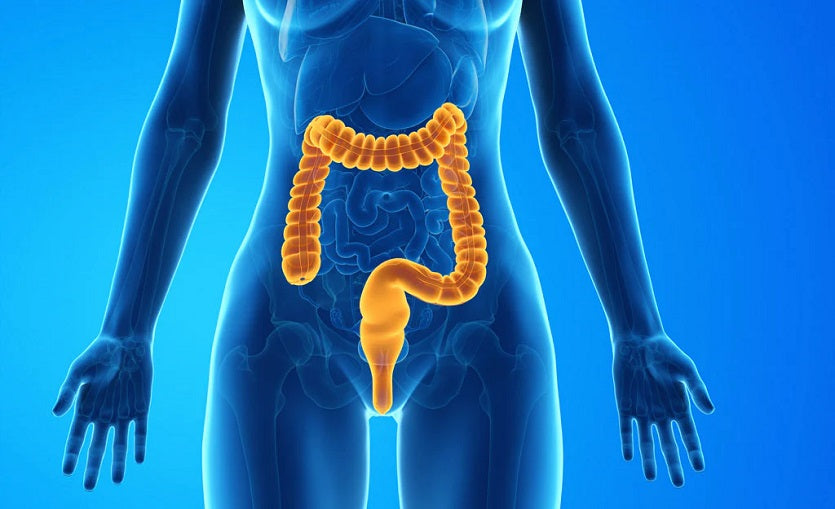
Digestive health is critical for hormonal balance and a new area of research into the symbiotic relationship between microorganisms and cells in the human body is emerging. Turns out that a certain set of gut bacteria – more specifically certain bacterial genes called the estrobolome – produce an essential enzyme that helps metabolise estrogen.
Your gut, therefore, is part of the elimination system that’s vital in ushering hormones out of the body. To encourage the balance and production of these healthy partners, our diet and lifestyle need to play an important role.
Why gut health is vital
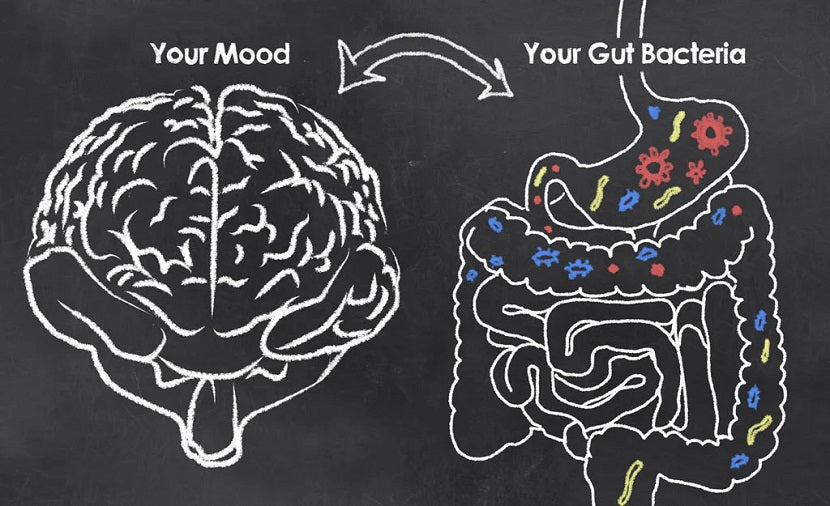
It’s not just estrobolome that is important; there are literally thousands of different microorganisms that make up our microbiome which, in turn, modulate hormone production and breakdown. Considering the fact that over 90% of the serotonin in our bodies is produced in the GUT through these healthy bugs, our moods can be directly linked to the balance in our microbiome!
Oestrogen dominance as a result of a poorly functioning microbiome can contribute to multiple hormonal imbalance symptoms and disorders. For example – infertility, PMS, low libido, cramps, heavy bleeding, and PCOS. Plus, it can make you far more susceptible to estrogen-led cancers like breast cancer.
How to maintain a healthy microbiome for happier hormones
New research shows that unless we make a conscious effort, we in the Western world cannot maintain a healthy gut. The mainstream lifestyle works against our microbiome with what we generally eat and how we live. We have to decide to take control of our own health and make the right choices.

Here’s my list of Do's and Don'ts:
Do's
-
DO follow the 8-Week Happy Hormones Lifestyle program.
-
DO get rid of the white stuff – that’s dairy, sugar and gluten.
- DO eat fermented foods rich in good bacteria like kimchi and sauerkraut – a couple of tablespoons a day will work wonders.
- DO take a trusted probiotic supplement like Happy Turmeric or Happy Greens which contain LIVE probiotics rather than freeze dried powders.
- DO drink fermented drinks like coconut water kefir, kombucha and Rejuvelac.
- DO eat fibre-rich foods such as asparagus, carrots, root vegetables, and greens which encourage microorganism growth.
-
DO take Happy Hormones to assist in the healthy excretion of hormones.
- DO the FREE Happy Hormones Assessment to have more understanding and information on your hormonal status.
Don'ts
- DON'T ingest too many antibiotics unnecessarily. Avoid eating meat that contains antibiotics and be wary of turning to antibiotics every time you have a cough or cold, as if the sickness is viral, antibiotics will not help you. Overuse will harm your estrobolome. As the antibiotics kill off the bad bacteria, they also kill off the good bacteria and it can be very difficult for the microbiome to bounce back from an aggressive course if the right aftercare isn’t put in place. More and more of us are becoming aware of the dangers of antibiotics overuse as we see what happens when superbugs that are resistant to any kind of medical treatment are created.
- Be cautious of synthetic hormones and their influence on our microbiome. The Pill acts like an antibiotic in the gut, destroying the microbiome balance. Not only impacting gut flora, the use of synthetic hormones can negatively affect insulin sensitivity, increase susceptibility to weight gain and can prevent optimal muscle gain. The Pill in particular is linked to an increased risk of Crohn’s disease, which is symptomatic of an imbalance in the microbiome..
A healthy gut is key to maintaining optimum hormone balance and lowering your risk for a wide range of lifestyle diseases. I encourage you to join our private Happy Hormones Facebook group where you can learn and share vital information regarding digestive health from thousands of other women who have taken that huge leap to healthy living!

REFERENCES
American Physiological Society. (2009, April 20). Oral Contraceptives Impair Muscle Gains In Young Women. ScienceDaily. Retrieved December 12, 2020 from www.sciencedaily.com/releases/2009/04/090417084014.htm
Diamanti-Kandarakis, E., Baillargeon, J. P., Iuorno, M. J., Jakubowicz, D. J., & Nestler, J. E. (2003). A modern medical quandary: polycystic ovary syndrome, insulin resistance, and oral contraceptive pills. The Journal of clinical endocrinology and metabolism, 88(5), 1927–1932.
https://pubmed.ncbi.nlm.nih.gov/12727935/
Khalili H. (2016). Risk of Inflammatory Bowel Disease with Oral Contraceptives and Menopausal Hormone Therapy: Current Evidence and Future Directions. Drug safety, 39(3), 193–197.
https://www.ncbi.nlm.nih.gov/pmc/articles/PMC4752384/
Kwa, M., Plottel, C. S., Blaser, M. J., & Adams, S. (2016). The Intestinal Microbiome and Estrogen Receptor-Positive Female Breast Cancer. Journal of the National Cancer Institute, 108(8), djw029.
https://www.ncbi.nlm.nih.gov/pmc/articles/PMC5017946/
Singh, R. K., Chang, H. W., Yan, D., Lee, K. M., Ucmak, D., Wong, K., Abrouk, M., Farahnik, B., Nakamura, M., Zhu, T. H., Bhutani, T., & Liao, W. (2017). Influence of diet on the gut microbiome and implications for human health. Journal of translational medicine, 15(1), 73. https://www.ncbi.nlm.nih.gov/pmc/articles/PMC5385025/
Zinöcker, M. K., & Lindseth, I. A. (2018). The Western Diet-Microbiome-Host Interaction and Its Role in Metabolic Disease. Nutrients, 10(3), 365.
https://www.ncbi.nlm.nih.gov/pmc/articles/PMC5872783/

Leave a comment
This site is protected by hCaptcha and the hCaptcha Privacy Policy and Terms of Service apply.