



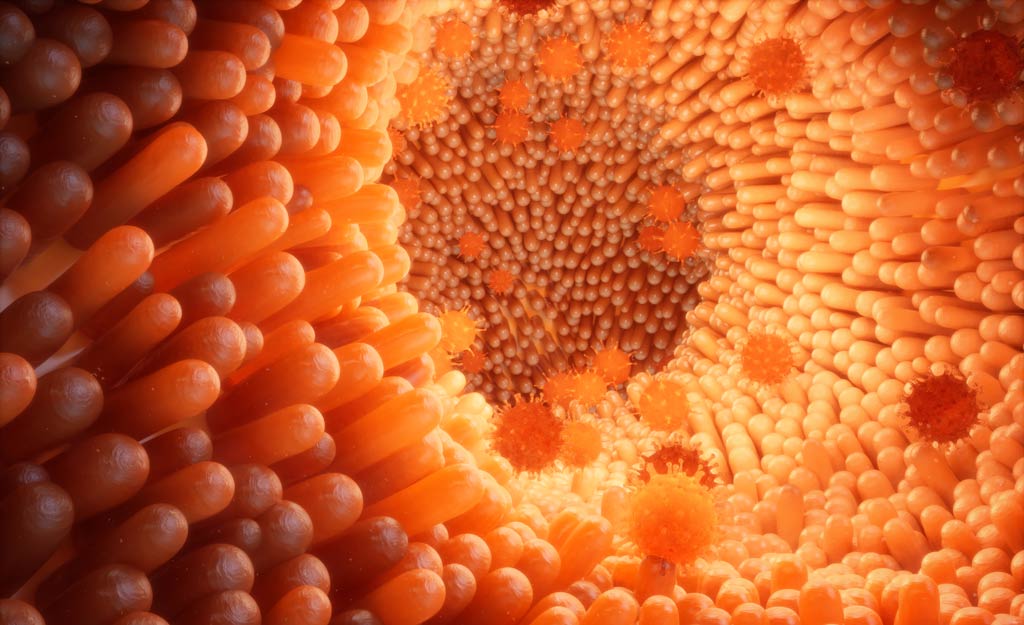
Hormones are not easily broken down in the body and go through several processes in the liver via methylation and conjugation.
Women with chronic hormonal imbalances often have a genetic predisposition to poor methylation (liver detoxification) and hormone conjugation or removal, with the colon as the elimination channel. When the liver doesn't metabolise our own internal hormones (and prescribed synthetic hormones), these hormones recirculate and cause a ‘double whammy’. To make matters worse, if in conjunction with poor metabolism the bowels aren’t also voiding regularly, the hormones are further reabsorbed into the bloodstream. This can wreak havoc on the body and create something short of a catastrophe.
This undesirable condition can result from poor bacterial balance or constipation, often due to low-fibre diets and/or high intake of processed foods. Healthy bacteria play an important role in the breakdown of hormones in the bowels. Similarly, they are vital in the production of certain feel-good hormones such as serotonin, up to 90% of which is manufactured in the gut. If serotonin levels drop then depression and emotional eating can develop.
Constipation
According to Menopause Insight, constipation is associated with having less than three stools per week, the presence of hard stools, and straining or difficulty while having a bowel movement. Constipation can be caused by hormone changes that take place during menopause. Many menopausal women have binge eating tendencies in an attempt to reduce stress, so unhealthy food choices can also lead to constipation. Some medications prescribed for the symptoms of menopause (vitamin supplements and sleep aids) might also have constipation as a side effect.
When not properly eliminated from the body via the colon (due to constipation), the constant recirculation of hormones creates a sluggish liver. This, in turn, decreases the liver's ability to detoxify these hormones. The constant energy required by the liver to be in a continual state of detoxification results in heat, which can cause the bowels to become dry. Coupled with gall bladder insufficiencies and poor diet choices, a chronic state of constipation can be a problem for the menopausal woman.
If constipation is a problem, these helpful tips can provide relief:
- Start each day with a glass of warm lemon juice with apple cider vinegar.
- Increase consumption of bitter foods (rocket, endive, radicchio and kale).
- An Epsom salts bath provides the body with more magnesium sulphate which acts as a gentle laxative.
- Increase gentle fibre intake daily in the form of slippery elm.
- Ensure that you are drinking at least 2 litres of water daily.
- Establish better beneficial bacteria in the gut by consuming a variety of fermented foods (kefir, kombucha, sauerkraut, yoghurt, tempeh) as they all have different bacteria strains. Happy Greens and Happy Turmeric have LIVE microbes and support the re-establishment of beneficial bacteria far better than traditional freeze dried probiotics which are dormant.
- Reduce/avoid problematic foods such as dairy, gluten, sugar, caffeine and processed foods.
- Check for food sensitivities.
- Introduce herbal teas such as dandelion, chamomile, peppermint, burdock, lemon and ginger to support liver detoxification and stimulate the colon
- Consume healthy oils in their natural state (extra-virgin olive oil, fish oils, nuts and seeds, avocados) and avoid rancid, oxidized oils (fried foods, oily and fatty meals)
- Address insufficient digestion and gall bladder function by having some slippery elm, apple cider vinegar, lemon juice or Swedish bitters before your meals.
- Manage your stress levels if this is a contributing factor (exercise, meditation, flower essences, counselling, yoga and breathing practices). Stress targets the muscles of the colon and creates tension which results in sluggish bowels.
- Regular stomach massages in a clockwise direction can help to move the bowels. Use essential oils (lavender, grapefruit, lemon, peppermint) for best results.
- Make a castor oil pack and apply on your stomach. This promotes circulation, provides warmth to the bowel, and loosens faecal compaction to ease constipation.
- Move your body to stimulate the colon. Sitting all day will create a sluggish bowel. Go for a brisk walk or a swim and do some yoga (spinal twists) to massage the digestive organs and get them moving.
Gas
Gas occurs in the stomach and intestines as a result of the breaking down of food particles during digestion. Foods like broccoli, beans and cabbage produce more gases than others. Some women complain of increased discomfort associated with gas pain and flatulence during menopause. Those who do should follow a healthy diet and avoid foods that cause gas and stomach discomfort.
A decrease in hormones during menopause is also connected with increased gas, bloating and flatulence. The gall bladder, as well as liver function and digestive processes, may be compromised during this life phase as the body tries to cope with the fluctuating hormones. You will find relief and comfort by supporting these systems so they can function optimally at all times.
In addition to the diet and lifestyle suggestions listed above, here are a few other tips:
- Increase fermented foods in your diet to help reduce the bacterial synthesis of gas.
- Consider taking a charcoal tablet to help to absorb excess gas in the stomach and provide relief from gas pains.
- Check for food intolerances (fructose, gluten and dairy).
Digestive issues
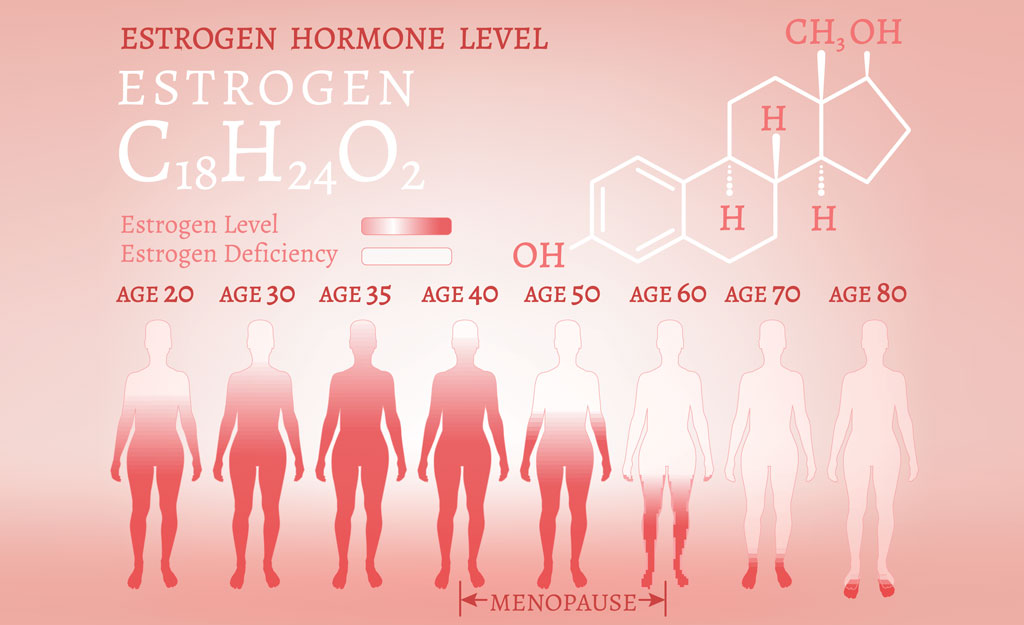
The hormone oestrogen has a direct impact on cortisol, which is also known as the ‘stress hormone’. When oestrogen is high, cortisol is low, keeping your blood sugar and blood pressure at ideal levels. However, as you go through menopause, the level of oestrogen in your body decreases, meaning that cortisol isn’t kept in check.
Adrenaline can easily be triggered in the body when the calming influence of oestrogen is missing. This switches off digestive function and when the digestive system isn’t working at its optimum level, a range of digestive problems can arise. Gas can build up and cause bloating or constipation may result when food passes through without being fully broken down. In addition, stomach acids can break down the mucous lining of the stomach wall, causing abdominal pain or indigestion.
Summary
Bowel health is key in all health conditions and menopause, although not a disease per se. Re-establishing beneficial bacteria, improving diet and fibre intake is the key and you can use tools like Happy Greens or Happy Turmeric to boost bacteria levels.

Leave a comment
This site is protected by hCaptcha and the hCaptcha Privacy Policy and Terms of Service apply.