


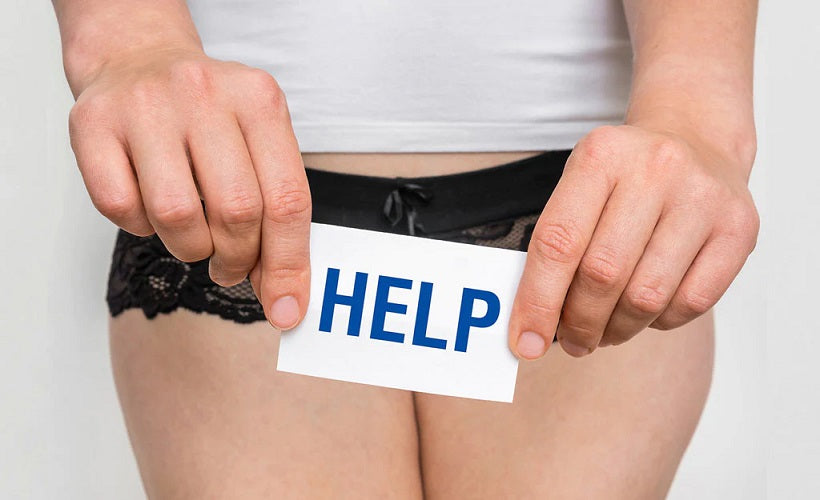
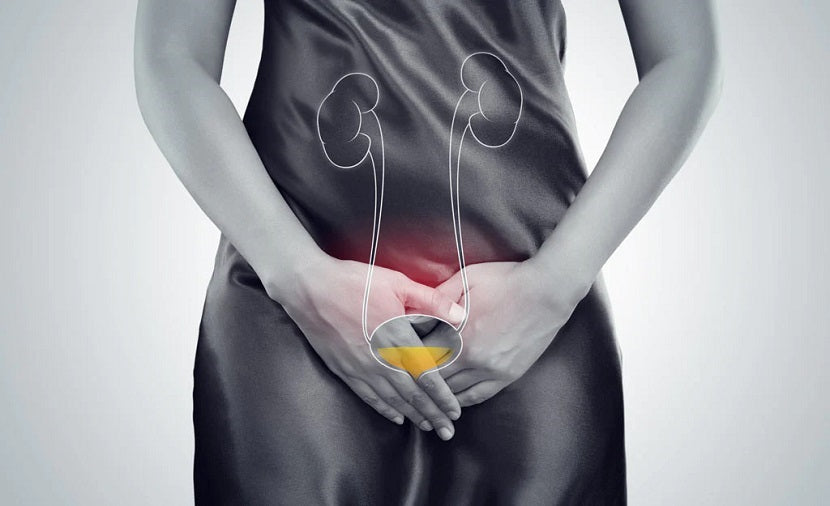
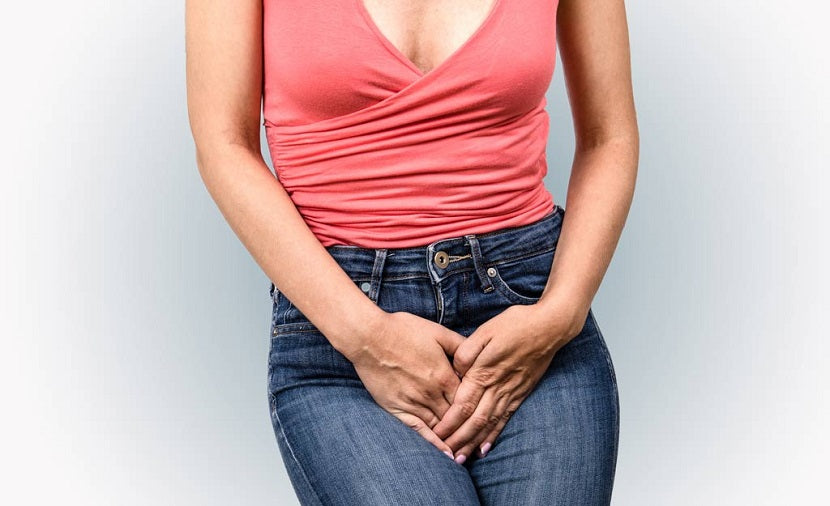
Urinary incontinence is the term used when a woman (or a man) involuntary leaks urine from the body. Stress urinary incontinence (SUI) occurs when the leakage happens during exercise, coughing, sneezing, laughing or any movement that adds pressure or stress on the bladder.
Many women live with these urinary issues without getting treatment for long periods not only because they're under-diagnosed; a lot of them are also ashamed to talk about their dilemma. Urinary incontinence is often not spoken about and many women suffer in silence with related issues such as emotional insecurity and loss of self-confidence.
The fact that stress incontinence affects women twice as much as men makes it a predominantly female health issue that requires more attention, awareness and solutions.
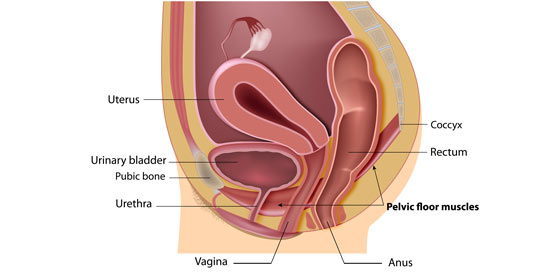
The female urinary system
The bladder is connected to the anterior wall of the pelvic floor muscles through connective tissues, nerves and muscles. When the bladder is full, it communicates with the brain through the nervous system that it's ready to be emptied. As the bladder empties, it should void to a very low volume and there should be no feeling of incomplete elimination.
When a woman experiences stress incontinence, the bladder muscles and pelvic floor muscles that support the bladder and pelvic organs are not functioning properly. This is often due to weak pelvic floor muscles or dysfunction of the pelvic floor muscles. As these muscles are weakened, any stress and external force placed on the bladder can cause leakage because the muscles are no longer able to maintain their strength and simply keep the bladder tight.
Leakage can be anything from a few drops to completely involuntary emptying of the bladder. However, any amount of leakage shouldn't be ignored and needs to be given attention and care.
Do not suffer in silence!
It is often not until we experience stress urinary incontinence that we realise and feel the importance of our pelvic floor muscles.
What causes stress incontinence?
The most common causes of stress urinary incontinence (SUI) are:
- Pregnancy and childbirth which stretches the pelvic floor muscles
- Pelvic surgeries such as hysterectomy or any other surgery that affects your pelvic floor
- Menopause and reduced oestrogen levels that can cause the lining of the urethra to thin and reduced muscle tone
- Obesity which weakens and stretch the pelvic floor muscles
- Chronic coughing
- Excessive heavy lifting
- Poor posture
- General loss of muscle tone
Just as we need to exercise our superficial muscles to maintain strength and elasticity as we age, we must also work out our pelvic floor muscles to avoid urinary incontinence.

What can you do to treat stress incontinence naturally?
-
Use a bladder diary.
Keeping a diary to record instances that add external stress to your bladder and pelvic floor is a great way to start addressing the root causes of your stress incontinence. Track your activities throughout the week to notice any patterns or events that cause leakage. This way, you'll have the information you need to retrain your bladder so it doesn't take control of your life.
-
Avoid 'just In case' urination.
When your bladder fills to its volume, a signal is sent to your brain. That same signal produces an urge that stimulates your body to urinate. However, most people preempt that signal and go to the restroom prematurely. If we continuously run to the toilet ‘just in case’, our bladder can actually shrink and lose its strength to hold more fluid.
-
Use proper posture when sitting, lifting and exercising to support the pelvic floor muscles.
Proper posture is fundamental to a balanced and toned pelvic floor. Keep your body upright and arch your back slightly to reduce pressure on the bladder. Align your pelvis, feel your sit bones moving down to the earth, relax your belly, stack your shoulders above your hips, keep an open heart, and relax your jaw. Always pay attention to how you sit and stand and address any postal misalignments with exercise and physical therapy.
-
Avoid heavy lifting and high-impact exercises until you feel you have control of your bladder. Instead, start a program that will help to strengthen your pelvic floor and inner core.
-
Perform regular pelvic floor exercises.
Keeping the pelvic floor muscles toned is essential to treat stress incontinence. Pelvic floor exercises not only strengthen the muscles; they also help stimulate blood flow to the tissues of the pelvic floor and improve drainage of fluids and toxins.
-
Practice deep diaphragmatic breathing with pelvic engagement. The pelvic floor works in harmony with the diaphragm as we move, lift, train, and relax our pelvic floor. Holding the breath adds stress and strain on the abdomen, pelvic organs, and pelvic floor muscles. Learning to control and reshape your breath is an essential part of restoring pelvic floor function. To do this, lie down on your back with the soles of your feet on the ground for your lower back to relax.
> Start by exhaling completely.
> Inhale deeply and channel your breath all the way down towards your pelvic floor and lower abdomen. Feel your pelvic floor expanding.
> Exhale slowly and feel a gentle contraction of your pelvic floor moving in and up towards your heart.
> Continue for 5-10 repetitions.
-
Join a postpartum training program.
If stress incontinence has been a problem for you since giving birth then joining a postpartum exercise program can be a great investment for your health! The postpartum period is just as important as your pregnancy – just because you feel whole on the outside doesn't necessarily mean that your body has healed on the inside.
-
Reassess your diet.
Diet can make a difference in how well your bladder is functioning. To support the healing of tissues and calm your bladder, you want to avoid foods that trigger inflammation and stimulate the nervous system.
Avoid caffeine, processed foods, refined sugars, and foods that are acid-forming. You can find great recipes in our latest HAPPY HEALTHY YOU book, most of which have been curated to help alkalise the system and support the healing of the tissues.
- Lose weight if you're overweight or obese.
Extra or excess weight in the abdominal area puts pressure on the bladder. This can weaken or damage the pelvic floor and urethral structures, making bladder leaks more likely. If you are overweight, everyday actions such as sneezing, coughing or kneeling can induce stress incontinence leaks. - Consider HAPPY BLADDER. Happy Bladder contains a combination of herbs that have been shown to reduce urinary frequency, urgency, and bladder accidents. See how Happy Bladder works.

Stress urinary incontinence is common amongst many women, but often not spoken about. With a holistic approach, you can begin to heal your body from within to free yourself from bladder leakage, pain and frequent urination.
Don’t suffer in silence – reach out and speak up because your next-door neighbour might be dealing with the exact same thing!

If symptoms persist, consult your healthcare professional.
Reference:
1. Schoendorfer et al, BMC-CAM, January, 2018. Research funded by the Australian Federal Government and Seipel Group.

Leave a comment
This site is protected by hCaptcha and the hCaptcha Privacy Policy and Terms of Service apply.