



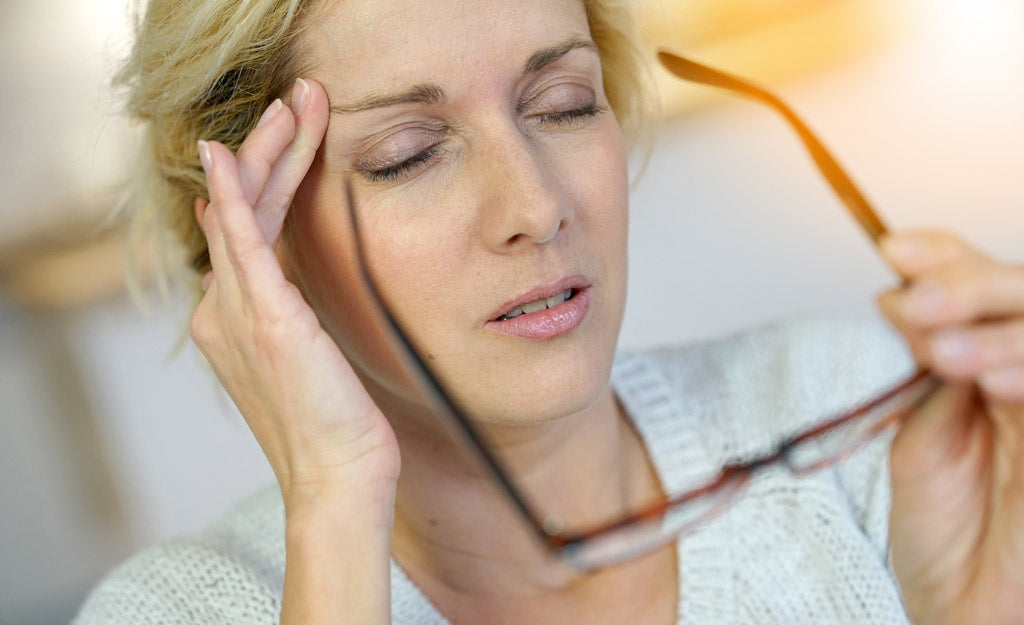
Women often notice a cyclic relationship between headaches and hormonal changes. Fluctuations in oestrogen levels around menarche, menstruation, pregnancy and menopause can trigger a change in the prevalence of migraines. The hormones oestrogen and progesterone play key roles in regulating the menstrual cycle and may also affect headache-related chemicals in the brain.
Where Are Hormonal Headaches Located?
It's known that oestrogen produces changes in prostaglandins, hypothalamic opioids and prolactin secretion which may trigger headaches. If you notice a cyclic rhythm to your headaches (hormonal headaches), achieving hormonal balance is imperative to preventing the recurrence of these types of headaches.
Fluctuating oestrogen and progesterone levels can make headaches worse, so stabilising these will help reduce the frequency of headaches. Many women report having headaches before or during menstruation. Also, because of the changes in oestrogen and progesterone around ovulation, some women report headaches around the middle of the cycle. The build-up of oestrogen leading to your period and the significant drop in oestrogen just before menstruation are the main causes of hormonal headaches. Insufficient production of progesterone after ovulation (mid-cycle) up to your period may also contribute to your headache problem.
Although we are at the mercy of our hormones throughout the cycle, it’s interesting to note that our susceptibility to recurring headaches is dependent on our sensitivity to hormonal fluctuations. No matter which time of the monthly cycle your headaches occur, it’s still a symptom of hormonal imbalance which requires treatment. Should this issue remain unaddressed, each cycle will always be a rollercoaster ride for your nervous system.
Causes Of Hormonal Headaches
Of course, other factors can contribute to headaches, so proper support for the body systems and organs affected is highly recommended (reproductive, digestive, endocrine and liver function). Here are a few considerations to look into if you’re experiencing recurring headaches:
- food sensitivities, allergies or leaky gut
- blood glucose irregularities
- poor intake of essential fatty acids in the diet
- magnesium deficiency
- dehydration and constipation
- structural misalignment
- nutrient deficiencies
- stress
- a side-effect of certain medications
How To Get Rid Of Hormonal Headaches (Natural Therapies)
- Some herbs help to relieve the pain and inflammation associated with headaches. Chamomile, Skullcap, Ginger Cramp Bark, Devil’s Claw, Hops, Passionflower, Damiana and Lemon Balm are just a few examples of nature’s wonders that possess anti-inflammatory and muscle-relaxing properties.
- Ensure that you’re properly hydrated at all times. Many studies have proven the link between dehydration and increased pain/inflammation.
- Avoid caffeine as it has a constricting effect on the capillaries which feed the brain.
-
Avoid any foods that may cause allergies. Some examples are chocolate, dairy, eggs, gluten foods and nightshade vegetables (Solanaceae family) such as potatoes, tomatoes, capsicum, and eggplant.
- Eat a clean, liver-friendly diet which concentrates on whole foods, plenty of greens and health-building nutrients (especially minerals).
- Eat magnesium-rich foods such as nuts, seeds, dark leafy greens, fruits and vegetables.
- Run a warm bath and add 1/2 cup of Epsom salts to provide magnesium to the muscles and help them relax. Adding a few drops of pure essential lavender oil also assists with relaxation.
- Take time out to rest and relax in a darkened, quiet room away from noise and stimulating environments.
- A good massage, acupuncture or cranial-sacral therapy can help relieve muscle tension.
- Take a walk in the fresh air to clear your head.
- Yoga practices help loosen tight muscles and re-balance postural problems. Meditation and deep breathing are also recommended to calm the spirit, switch the brain off and relax.
- Address underlying allergies, nutrient deficiencies, bowel problems, liver dysfunction, hormonal imbalance and digestive issues.
- The essential oils of marjoram, lavender, basil, peppermint, chamomile or rosemary diluted in a base of wheat germ or sweet almond oil may give temporary relief to a throbbing headache when massaged into the temple area.
- Regulate your hormones using Happy Hormones. Many women comment how their headaches and migraines improve after taking Happy Hormones.
How To Stop Hormonal Headaches
Headaches are a signal or a message from the body sent directly to you informing you there is an area of health that needs to be addressed. Being your own investigator and keeping tabs on when headaches arise will be the best chance of uncovering the root cause of the problem.
Are headaches a constant battle for you? Book in with one of our holistic health practitioners for a one-on-one consultation to pull out the guesswork and have a treatment plan specific to what your body needs.

REFERENCES
Lieba-Samal, D., & Wöber, C. (2011). Sex hormones and primary headaches other than migraine. Current pain and headache reports. 15(5), 407–414.
https://pubmed.ncbi.nlm.nih.gov/21573925/
Zaitsu et al. (2007). Estradiol activates mast cells via a non-genomic estrogen receptor-alpha and calcium influx. Molecular Immunology. 44(8), 1977–1985.
https://pubmed.ncbi.nlm.nih.gov/17084457/
Chai, N.C., Peterlin, B.L., & Calhoun, A.H. (2014). Migraine and estrogen. Current Opinion in Neurology. 27(3), 315–324.
https://www.ncbi.nlm.nih.gov/pmc/articles/PMC4102139/
Arzani et al & School of Advanced Studies of the European Headache Federation (EHF-SAS) (2020). Gut-brain Axis and migraine headache: a comprehensive review. The Journal of Headache and Pain. 21(1), 15.
https://pubmed.ncbi.nlm.nih.gov/32054443/



Leave a comment
This site is protected by hCaptcha and the hCaptcha Privacy Policy and Terms of Service apply.